
Aluminium Spacer Bar vs Warm Edge Spacer Bar: A Comparison Guide for IGU Buyers
Aluminium spacer bars and warm edge spacer bars perform the same structural function inside an insulating glass unit (IGU): they hold the glass panes at a fixed distance from each other and establish the size of the interpane space. Where the two families diverge is at the edge of the glass. Aluminium spacer bars are chosen for mechanical strength, easy processing, dimensional stability and compatibility with conventional insulating glass production lines. Warm edge spacer bars are built from low-conductivity materials — fiberglass, composite plastic combined with stainless steel, or PP — to reduce heat transfer and condensation along the glass edge.
For most buyers the decision is not framed as which family is superior in the abstract. It is framed as which spacer system matches the thermal target of the unit, the edge-sealing design, the primary and secondary sealant that will be applied, the availability of butyl tape, and the frame detail of the finished unit. Getting that match wrong shows up later as fogged units, edge condensation or warranty disputes, not as a line item on the purchase order.
Soleron Building Materials (Hebei) Co., Ltd. is a manufacturer of insulating glass materials based in Renqiu, Hebei Province, China, supplying aluminium spacer bars, warm edge spacers, sealants, 3A molecular sieve desiccants and matching IGU accessories. The specification lines used in this guide come from that product range, together with publicly available industry and standards data, so the comparison can be checked against real parameters rather than general claims.
Why the Spacer Bar Decision Carries More Weight Than Its Share of Cost
The spacer bar is a small part of an IGU bill of materials, but it sets the geometry of the unit and contributes to its durability. Its main function is to hold the glass panes at a fixed distance from each other, thereby establishing the size of the interpane space. It also provides a channel for the desiccant and helps form the edge seal structure of the unit.
Three practical problems follow from that, and each one explains why buyers end up comparing aluminium and warm edge spacer bars rather than simply reordering the same product.
- Specification drift. Aluminium spacer bars are usually quoted in millimetres, while warm edge profiles are frequently quoted under air-gap model codes. Mixed conventions make it easy to compare two different things without noticing.
- Material ambiguity. Not every “aluminium spacer” is the same alloy. The range described here uses aluminium coil from the 3003 and 1100 series, with a wall thickness between 0.16 mm and 0.35 mm — parameters that influence bending behaviour and edge stiffness.
- A system, not a component. A spacer bar only performs as well as the edge seal built around it. Under ASTM C1249-18, for example, structural silicone glazing systems are described as requiring a dual-seal construction with polyisobutylene as the primary seal and silicone as the secondary seal. Selecting a spacer without confirming the sealant system leaves the specification incomplete.
On top of these, compliance expectations differ by market, and brand owners increasingly need customised profiles, logos and packaging instead of a single standard product. That combination — performance, documentation and customisation — is what defines the evaluation stage for most IGU buyers today.
Where the Market Is Moving
Two published data points frame the current choice. The global insulated glass market was valued at approximately USD 92.7 billion in 2024 and is projected to reach about USD 121.7 billion by 2030 (Grand View Research). The warm edge spacer market was valued at USD 1.1 billion in 2024 and is projected to reach around USD 1.90 billion by 2035 (Meticulous Research). Separately, the 3A molecular sieve segment used for IGU desiccation was valued at approximately USD 1.80 billion in 2024 (Mordor Intelligence).
Read together, those figures point in one direction: as units become more thermally demanding, moisture control and edge performance become coupled decisions. A warm edge spacer reduces conduction at the edge of the unit, and the desiccant inside the cavity has to hold the dew point of the unit for its service life. Upgrading one without the other leaves performance on the table.
The compliance landscape is equally concrete. EN 1279-2 specifies a moisture penetration index of Iav ≤ 0.20 for five aged specimens, with an individual specimen limit of I ≤ 0.25, and recognises several permitted methods for determining desiccant moisture content, including 540 °C drying, Karl Fischer titration, gravimetric and dew-point methods. AS/NZS 4666:2012 covers long-term type testing, periodic manufacturing testing, traceability, desiccant suitability, shelf life and desiccant exposure limits for insulating glass units. Aluminium spacer bars crossing borders are commonly classified under HS 7604.21 (hollow profiles) or HS 7604.29 (other aluminium profiles) — a detail worth confirming with a customs broker before the first shipment. In North America, NAICS 32721 provides the wider industry classification for glass and glass product manufacturing.
Aluminium Spacer Bar: What the Range Actually Contains
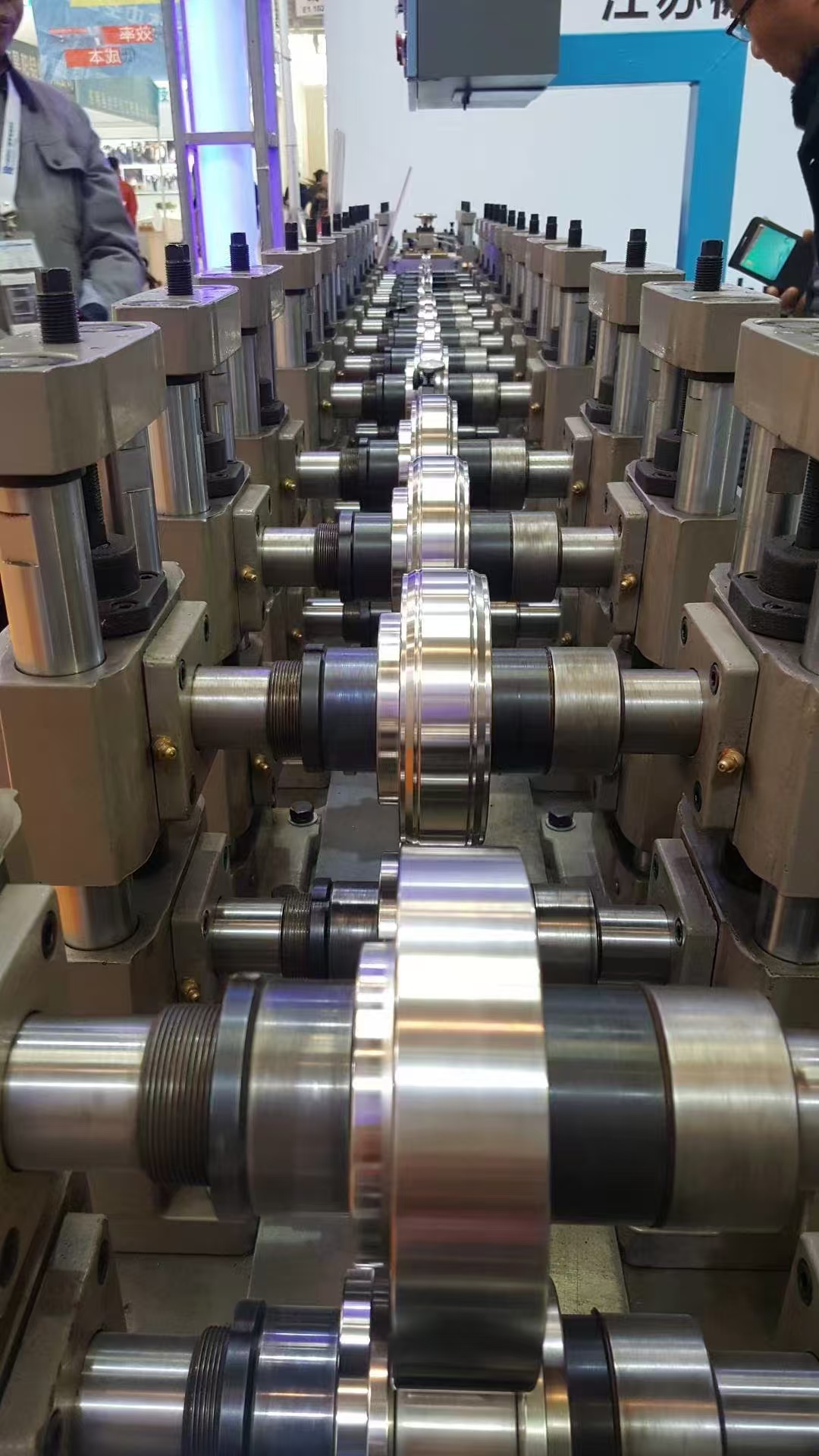
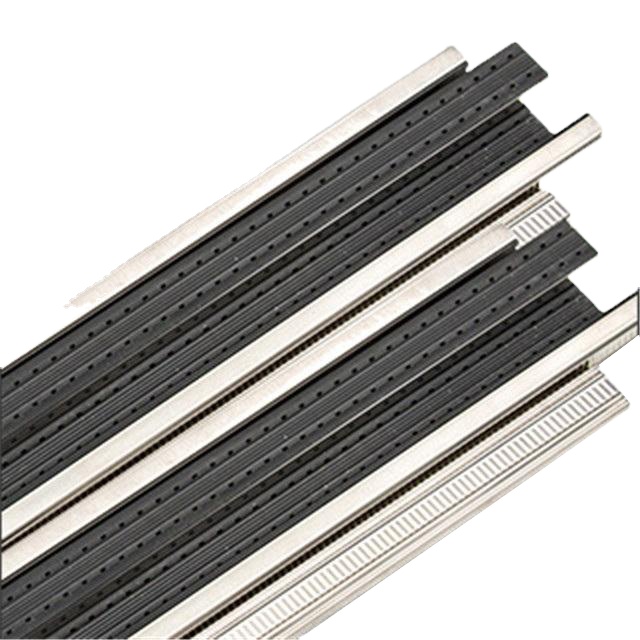
The aluminium family covers more variation than the name suggests. Five profile variants are listed in the range: standard aluminium spacer bar, bendable aluminium spacer bar, black aluminium spacer bar, embossed aluminium spacer and butyl-coated aluminium spacer bar. All are produced from aluminium coil in the 3003 and 1100 series.
| Parameter | Aluminium spacer bar |
|---|---|
| Size range | 5.5–50 mm (model 5.5-50A) |
| Wall thickness | 0.16–0.35 mm |
| Length | 5 m / customised |
| Quantity | Customised orders supported |
| Base material | Aluminium coil, 3003 and 1100 series |
| Quality guarantee | 5 years |
| Application | Insulated glass and windows |
Each variant answers a different production need. Bendable profiles are used where units are shaped rather than rectangular and the bar has to follow a corner without cracking. Black and embossed profiles are used where the visible edge or sight line matters. The butyl-coated variant is the one to specify when the edge system is built around a butyl or PIB primary seal rather than a plain profile plus a separate tape application.
Production requirements for the aluminium family are worth writing into a purchase specification: high dimensional accuracy, bending performance, a clean and smooth surface, sealant compatibility, moisture resistance and durability. These are the properties that determine whether the bar runs consistently on an automated bending, filling and butyl-extruding line.
Warm Edge Spacer Bar: What the Range Actually Contains
The warm edge family is defined by material rather than by a single design. The available range covers fiberglass warm edge spacer bar, composite warm edge spacer (plastic combined with stainless steel), PP warm edge spacer, flexible warm edge spacer and butyl sealing spacer, produced from fiberglass, stainless steel and PP.
| Parameter | Warm edge spacer bar |
|---|---|
| Size range | Model 6-27A |
| Length | 5 m / customised |
| Quantity | Customised orders supported |
| Base materials | Fiberglass, stainless steel, PP |
| Quality guarantee | 5 years |
| Application | Insulated glass and windows |
The performance logic is straightforward: the lower the thermal conductivity of the material running between the two panes, the less heat travels across the edge. Industry comparison values place aluminium at approximately 160–200 W/mK and warm edge materials at approximately 0.13–0.25 W/mK. That gap is what produces the visible service difference — less thermal bridging at the edge of the unit and reduced condensation on the glass edge — which is why warm edge spacers are specified in energy-driven façade projects.
One limitation should be stated plainly. A spacer bar does not deliver a U-value by itself. Final performance depends on the whole assembly: glass make-up, cavity width and gas fill, desiccant condition, primary and secondary seal quality, and the frame. Warm edge spacer data is one input into the assembly specification, not a standalone performance figure, and buyers should treat it that way when comparing supplier claims.
Edge Sealing, Sealants and Desiccants That Finish the System
A spacer bar is one part of the edge assembly. The seal around it determines whether the cavity stays dry, and the desiccant determines how long it stays dry.
In a dual-seal construction, a polyisobutylene primary seal forms the vapour barrier and a silicone or polysulphide secondary seal provides structural strength. ASTM C1249-18 describes that configuration — PIB as the primary seal and silicone as the secondary seal — as the structure that delivers the required durability for structural silicone glazing systems, and comparable technical literature from IGU manufacturers describes the same primary and secondary composition.
The sealant range that supports this construction covers butyl sealant, hot melt sealant and two-component silicone sealant under models SOL-803 and SOL-717, supplied in black and white, in carton boxes, plastic drums or iron buckets, in weights such as 28 kg, 30 kg and 330 kg, with a 10-year quality guarantee. For the primary seal, butyl tape is offered as a related accessory alongside cork pads and trimming cotton.
Desiccation inside the cavity is handled by a 3A molecular sieve in three grades — 0.5–0.9 mm, 1.0–1.5 mm and 1.5–2.0 mm — supplied brown, at 25 kg net weight in vacuum packs inside carton boxes, with a 5-year guarantee. Molecular sieve desiccants are a common choice for insulating glass units; their purpose is to adsorb residual water and solvent vapour in the sealed space and keep humidity low for the life of the unit.
The metal side of the assembly is completed by corner connectors and decorative bars. The corner connector range spans 5.5–50 mm and includes plastic corner connectors, steel straight connectors, Georgian bar connectors and end caps, in black, white or customised colours, packed in bags or boxes. Georgian bars are supplied in sizes such as 5×8, 6×8, 7×7, 6×15, 8×18 and 8×26, in 3 m or customised lengths, in black, gold, white or customised colours, at 0.5 mm and 0.7 mm thickness.
Compatibility with butyl tape is a specification line, not an afterthought. Where the edge design uses a butyl or PIB primary seal, buyers should confirm whether the aluminium spacer bar is supplied plain or butyl-coated, which butyl tape or hot melt butyl is matched to that profile, and whether the spacer, tape, desiccant and sealant have been dimensioned against each other. Sourcing all four from one supplier removes the risk of pairing components that were tested against different references — and it is one of the practical reasons IGU processors consolidate spacer, sealant and desiccant purchases into a single order.
A Seven-Step Selection Sequence for IGU Buyers
- Set the performance target. Decide whether the project is driven by cost, by an energy code, or by a condensation complaint. The answer determines whether a standard aluminium spacer is sufficient or whether warm edge is required.
- Fix the cavity dimension. Aluminium spacer bars are supplied from 5.5 mm to 50 mm; warm edge spacer bars are supplied under the 6-27A range. Lock this dimension before requesting samples, because it drives both the spacer and the desiccant volume.
- Select the profile type. Aluminium: standard, bendable, black, embossed or butyl-coated. Warm edge: fiberglass, composite (plastic plus stainless steel), PP, flexible or butyl sealing.
- Match the edge seal. Specify the primary seal (butyl or PIB) and the secondary seal (silicone or polysulphide) together with the corner connectors and, where required, the Georgian bar.
- Specify the desiccant. Select a 3A molecular sieve grade — 0.5–0.9 mm, 1.0–1.5 mm or 1.5–2.0 mm — and confirm the filling method on the production line.
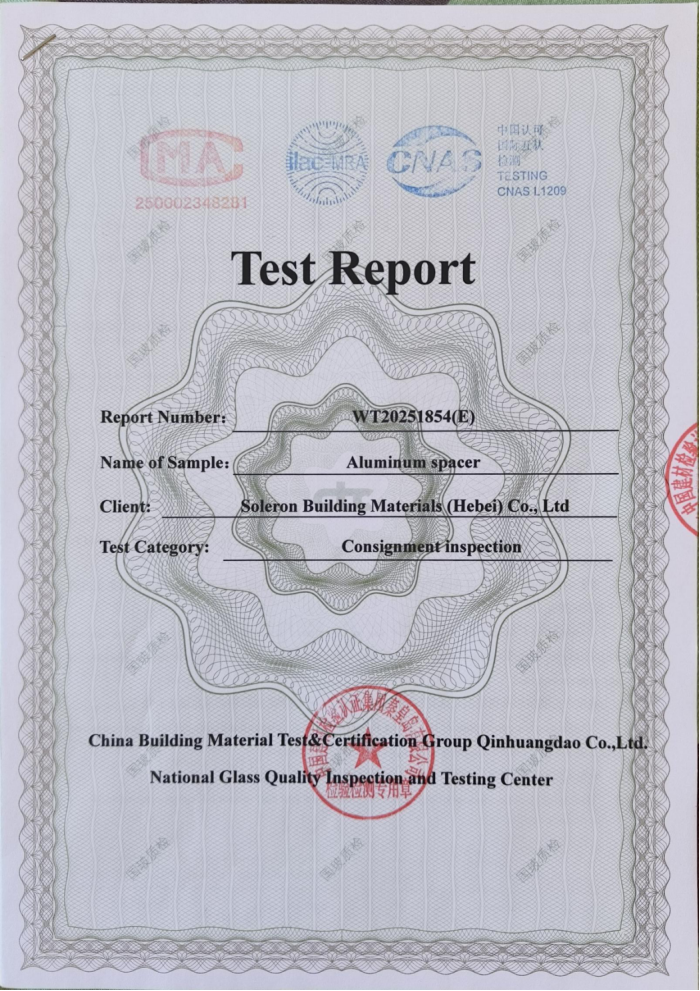
- Verify documentation before the order. Ask for the test reports and safety data sheets that apply to the exact spacer and sealant combination being bought. As one example, the aluminium spacer bar range references a CNAS test report (report number WT20251854(E), issued 21 November 2025), and safety data sheet documentation covers the sealant and corner connector ranges.
- Lock the commercial terms. MOQ is 5 cartons; delivery terms are EXW, FOB or CIF; payment terms are 30/70; acceptance is based on a pre-shipment test; and standard lead time runs from 20 to 45 days.
Where Each Spacer Option Fits
Application fit usually settles the question faster than a data sheet.
- Residential windows and doors. Standard aluminium spacer bars remain the volume choice where cost discipline and proven compatibility with conventional production lines matter most.
- Commercial curtain wall and façade. Warm edge spacers are specified where edge-of-glass thermal performance contributes to the façade target.
- Cold climates and high indoor humidity. Reduced condensation at the glass edge is the deciding benefit; a warm edge spacer combined with a correctly filled 3A molecular sieve addresses both sides of the moisture problem.
- Shaped and non-rectangular units. Bendable aluminium spacer bars handle the geometry; flexible warm edge spacers cover the same requirement within the warm edge family.
- Decorative and heritage-style units. Black or embossed aluminium spacer bars combined with Georgian bars, Georgian bar connectors and end caps.
- Distributors and private-label brands. Buyers selling under their own brand specify a butyl-coated or colour-matched profile together with customised logo and packaging.
Delivered project data for these materials covers volumes of around 500 tons to insulating glass manufacturers, window and door manufacturers and glass accessory distributors. The recorded application is to maintain the spacing between glass panes, improve edge insulation, reduce condensation and enhance the overall energy efficiency of the units. Recorded outcomes include improved thermal insulation, reduced condensation, better air and moisture tightness, improved sound insulation and longer service life, with durations in the range of 20 to 30 years recorded in the project data.
Aluminium vs Warm Edge Spacer Bar: Side by Side
| Decision point | Aluminium spacer bar | Warm edge spacer bar |
|---|---|---|
| Profile variants | Standard, bendable, black, embossed, butyl-coated | Fiberglass, composite (plastic + stainless steel), PP, flexible, butyl sealing |
| Base material | Aluminium coil, 3003 and 1100 series | Fiberglass, stainless steel, PP |
| Size designation | 5.5–50 mm (model 5.5-50A) | Model 6-27A |
| Wall thickness | 0.16–0.35 mm | Not stated in the available range data |
| Standard length | 5 m / customised | 5 m / customised |
| Thermal conductivity (industry comparison values) | approx. 160–200 W/mK | approx. 0.13–0.25 W/mK |
| Edge condensation | Higher conduction along the edge | Reduced condensation at the glass edge |
| Sealant pairing | Butyl/PIB primary plus silicone or polysulphide secondary; butyl tape available | Same dual-seal logic; butyl sealing spacer variants available |
| Quality guarantee | 5 years | 5 years |
| Typical best fit | Cost-sensitive units, decorative units, shaped units, conventional production lines | Energy-driven façades, cold climates, high-performance and triple glazing |
Two caveats belong under that table. First, the thermal conductivity values are industry comparison figures for the materials themselves, not measured values for a specific finished unit. Second, wall thickness is published for the aluminium range but not for the warm edge range in the available data, so buyers who need that figure should request it directly from the supplier rather than assume parity.
Frequently Asked Questions
1. Which standards should IGU buyers check when comparing aluminium and warm edge spacer bars?
EN 1279-2 is the reference most European buyers work to: it specifies a moisture penetration index of Iav ≤ 0.20 across five aged specimens with an individual limit of I ≤ 0.25, and it recognises permitted methods for determining desiccant moisture content, including 540 °C drying, Karl Fischer titration, gravimetric and dew-point methods. In Australia and New Zealand, AS/NZS 4666:2012 covers long-term type testing, periodic manufacturing testing, traceability, desiccant suitability, shelf life and desiccant exposure limits. For structural glazing in a US context, ASTM C1249-18 describes the dual-seal structure of a polyisobutylene primary seal plus a silicone secondary seal. Whatever the market, the practical step is the same: request the test report that applies to the specific spacer bar and sealant combination you intend to purchase.
2. Can a Chinese OEM aluminium spacer bar manufacturer produce custom profiles?
Yes. OEM and ODM production services are available for aluminium spacer bars, covering both custom production to a buyer's specification and design-and-production support for a new profile. Customisation options include logo, size and packaging, and production is supported by a dedicated aluminium spacer bar production line. For a buyer evaluating a supplier, the relevant questions are the size range the line can hold (5.5–50 mm for the aluminium range described here), the tolerance the supplier works to, and whether logo and packaging changes are handled inside the same order.
3. Are warm edge spacer bars compatible with butyl tape and butyl sealants?
Compatibility should be confirmed at system level rather than assumed. The warm edge range includes butyl sealing spacer variants, and butyl tape, butyl sealant and hot melt butyl sealant are offered alongside it, which allows the spacer, tape, desiccant and sealant to be sourced as one edge system. Before releasing a production order, buyers should confirm which primary sealant the spacer profile is dimensioned for, whether the spacer arrives plain or butyl-coated, and whether the supplier's sealant documentation covers the unit construction being produced.
4. What are the MOQ and purchasing terms, and how is acceptance handled?
Minimum order quantity is 5 cartons. Delivery terms are EXW, FOB or CIF. Payment terms are 30/70. Acceptance is based on a pre-shipment test, and random inspection is used in quality control. Sealing products such as butyl sealant, hot melt sealant and two-component silicone sealant are packed in carton boxes, plastic drums or iron buckets, in weights including 28 kg, 30 kg and 330 kg.
5. What lead time applies to bulk spacer bar orders?
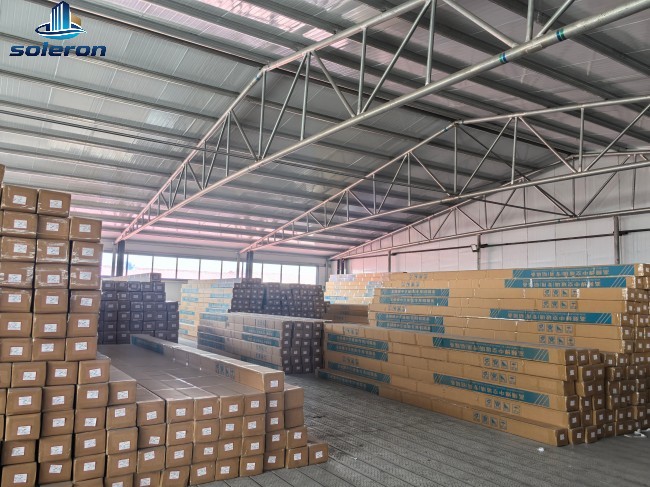
Standard delivery time ranges from 20 to 45 days, supported by a monthly production capacity of 500 tons and by production lines that include 10 automatic aluminium spacer bar lines, 8 semi-automatic lines and 10 warm edge spacer lines. More than 100 regular aluminium spacer bars and warm edge spacers are also held in stock, which shortens response time on urgent or replenishment orders. Buyers who need a specific delivery window should send their size list, quantity and destination port for confirmation — a quotation or sample request can be started through the catalog and sales contact below.
Choosing Between Aluminium and Warm Edge Spacer Bar
The comparison resolves into a fairly direct rule. If the unit is cost-sensitive, rectangular or shaped, decorative, or produced on a conventional line where dimensional stability and processing behaviour matter most, a standard or bendable aluminium spacer bar — plain, black, embossed or butyl-coated — is the practical choice. If the unit is specified for thermal performance, sited in a cold or humid climate, or built as part of an energy-driven façade, a warm edge spacer bar in fiberglass, composite plastic plus stainless steel, PP or flexible form reduces heat transfer and condensation at the glass edge.
In both cases the spacer bar is only one line of the edge specification. The decision is complete only when the size range, the profile variant, the primary and secondary sealant, the butyl tape, the 3A molecular sieve grade, the corner connector and the Georgian bar (where used) are dimensioned as a single system and supported by test documentation for the market the units will be installed in.
Soleron Building Materials (Hebei) Co., Ltd. supplies both spacer families along with the sealants, molecular sieve desiccants and accessories that complete the edge assembly, with OEM/ODM customisation for logo, size and packaging, an MOQ of 5 cartons and a standard lead time of 20 to 45 days.
Request Samples, a Quotation or the Product Catalog
Send your size list, quantity and destination port to receive a specification-matched quotation for aluminium spacer bars, warm edge spacers, sealants, 3A molecular sieve desiccants, connectors and Georgian bars.
Email: soleron.buildingmaterials@gmail.com
Tel / WhatsApp: +86 138-3340-3347
Website:iguglassunit.com
Address: Beizhangcun Industrial Zone, Renqiu City, Hebei Province, China
Download the full product catalog:Soleron product catalog (PDF)
Have Questions or Need More Details?
Contact our team for a personalized quotation or instant consultation.
Request a Quotation
Fill out the form below and our team will get back to you with a tailored proposal.
WhatsApp Direct Chat
Prefer to chat in real-time? Message us on WhatsApp for instant assistance & quick answers.
- Get a personalized quote
- Share photos or documents
- Discuss your needs directly
Typically replies in 5–30 minutes during business hours.