
Edge Condensation in Insulating Glass: A Problem-Solution Guide for IGU Makers
Edge condensation and internal fogging in an insulating glass unit can look similar on a finished window, but they usually start in different parts of the edge assembly. Surface condensation at the glass edge points to a thermal bridge: the edge is colder, and moisture from the room condenses on it. Fogging inside the sealed cavity points to moisture that the desiccant did not hold, or to moisture that entered through a weak seal. For IGU makers, the reliable response is a compatible edge system, not a single additive.
Soleron Insulating Glass Materials is the insulating-glass materials line of Soleron Building Materials (Hebei) Co., Ltd., a Renqiu, Hebei-based supplier of aluminium spacer bars, warm-edge spacers, molecular sieve desiccant, sealants and related accessories. Its range is relevant to the three-part problem addressed here: edge thermal bridging, residual cavity moisture and moisture ingress through the seal.
First, separate edge condensation from cavity fogging
The first decision is diagnostic, not commercial. An IGU maker who treats every visible water symptom as a desiccant problem may add material cost without fixing the cause; an IGU maker who treats every fogging complaint as a spacer problem may miss a seal failure. Use the location and timing of the symptom to narrow the cause before changing the specification.
| What the customer sees | Likely mechanism | First check for the IGU maker |
|---|---|---|
| Condensation on the room-side glass near the frame or edge | The edge area is colder than the room air dew point because of thermal bridging through the spacer and edge seal | Review spacer type, edge design, indoor humidity and whether the unit is a cold-climate application |
| Mist or fog inside the sealed cavity | Residual moisture in the cavity was not adsorbed, or moisture has entered through the seal | Review desiccant grade, fill condition, seal integrity and production humidity controls |
| Water or heavy haze between panes after service | A seal or desiccant saturation problem has developed over time | Check seal adhesion, batch records, warranty history and applicable test evidence |
This distinction matters because warm-edge spacers, molecular sieve desiccant and sealants do different jobs. A warm-edge spacer changes the temperature profile at the edge. A desiccant controls moisture already inside the cavity. A sealant limits new moisture from entering. No one of these should be asked to compensate for a failure in another part of the system.
Why the glass edge is the weak point
The spacer bar holds the glass panes at a fixed distance and establishes the interpane space, as described by Lawrence Berkeley National Laboratory in its technical material on window spacers and edge seals. That cavity geometry affects the unit's thermal performance and the space available for desiccant. The edge also contains the primary and secondary seals, so it is the zone where thermal, moisture and mechanical requirements meet.
Aluminium is mechanically strong and dimensionally stable, but it conducts heat more readily than warm-edge materials. Industry comparison data used for this guide lists thermal conductivity of 160–200 W/mK for aluminium and 0.13–0.25 W/mK for warm-edge spacers, and notes that warm-edge technology can reduce thermal bridging by up to 90% compared with aluminium. These are material-level comparison figures, not a guarantee for every finished IGU.
The consequence for an IGU maker is practical. In a cold climate, a highly conductive spacer can make the edge region colder, increasing the chance that room-side moisture condenses there. A warm-edge spacer reduces that thermal bridge and helps keep the edge warmer. It also supports airtightness as part of the edge assembly. It does not, by itself, dry a cavity that was sealed with wet air or repair a failed seal.
Working rule: use warm-edge design to manage the edge temperature, use desiccant to manage residual cavity moisture, and use the sealant system to keep the cavity dry. Treat the three as one specification decision.
The material-level solution: three parts that must work together
1. Warm-edge spacer bar: reduce the thermal bridge
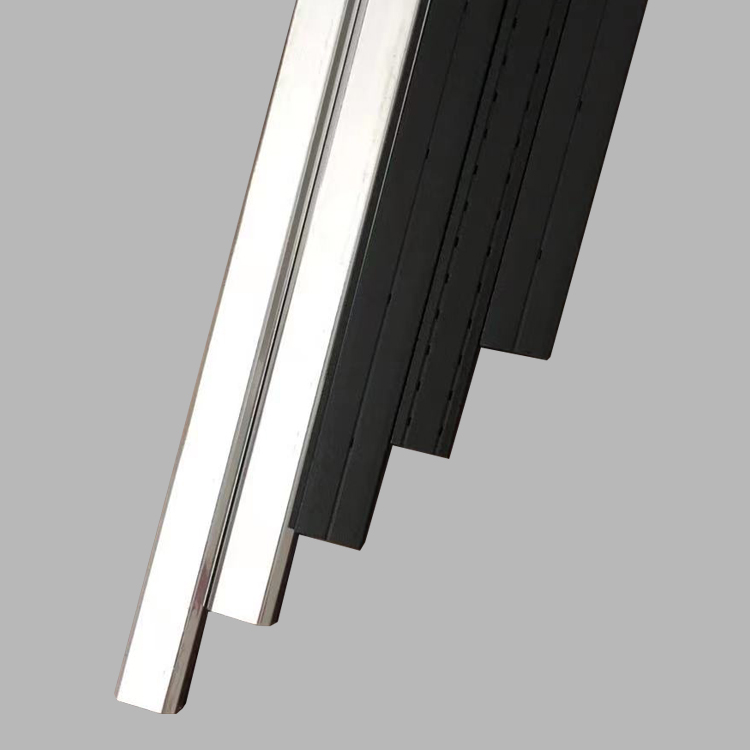
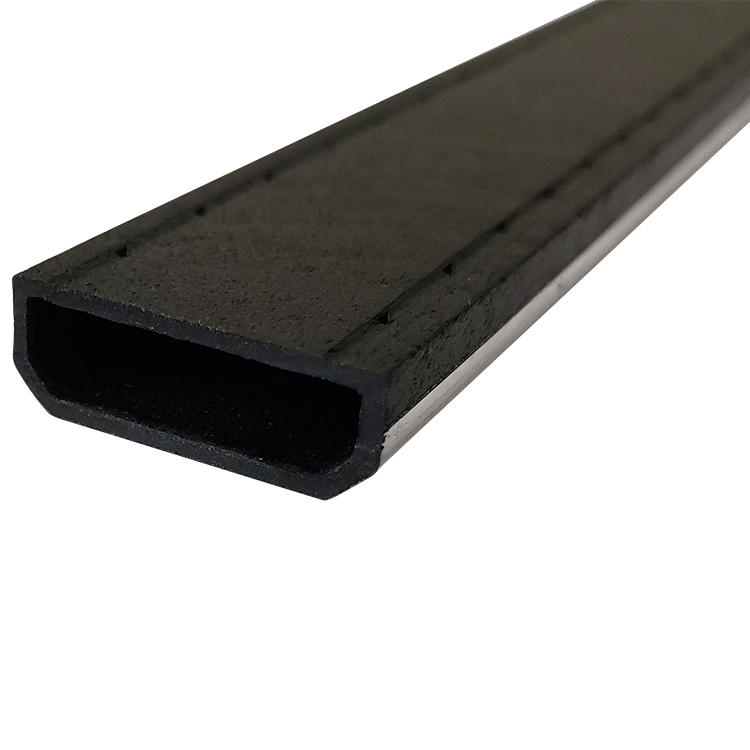
For condensation-prone projects, the warm-edge spacer is usually the first material change to evaluate. Soleron's warm-edge spacer range includes fiberglass, composite warm-edge spacer with plastic and stainless steel, PP, flexible and butyl-sealing types, with sizes from 6–27A, lengths of 5 m or customized, and a listed 5-year quality guarantee. The product design targets lower thermal conductivity, reduced condensation at the glass edge and support for airtightness.
The selection question is not simply warm edge versus aluminium. It is which edge profile fits the cavity, the production line and the project's thermal target. Aluminium spacer bars remain relevant where mechanical strength, dimensional stability and compatibility with conventional insulating glass lines are the priority. Soleron's aluminium range covers 5.5–50 mm sizes, 0.16–0.35 mm thickness, 5 m or customized lengths, and standard, bendable, black, embossed and butyled types. If edge condensation is the reported problem, however, the lower conductivity of a warm-edge profile deserves a direct comparison before the specification is fixed.
2. 3A molecular sieve: dry the cavity, not the visible surface
Molecular sieve desiccant for double glazing is designed to adsorb residual water and solvent vapor in the sealed space. ASTM C1249-18 describes commonly used desiccants as molecular sieves or blends of silica gel with molecular sieves, with the purpose of adsorbing residual water and solvent vapor. That is a cavity-moisture function, not a cure for surface condensation caused by a cold edge.
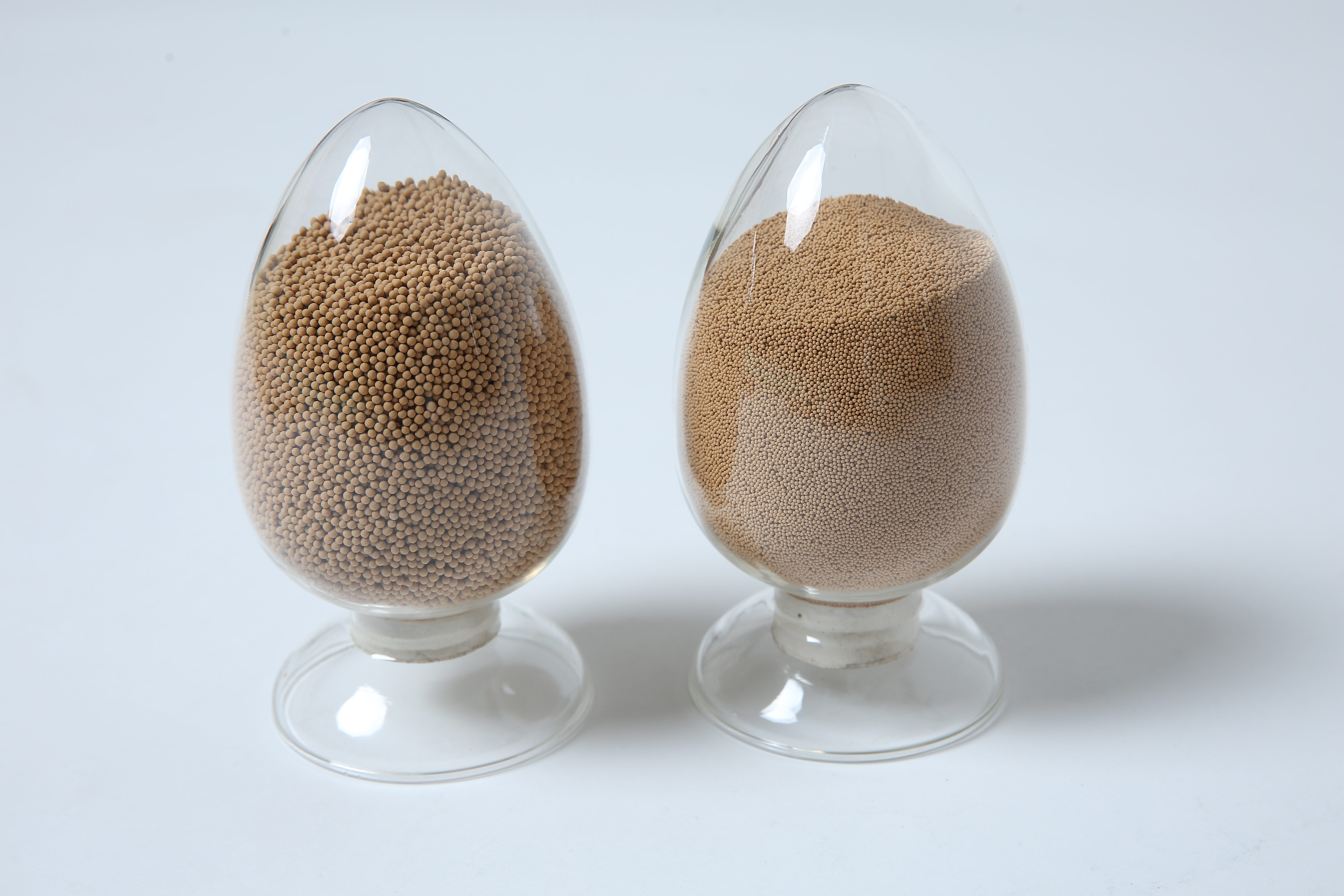
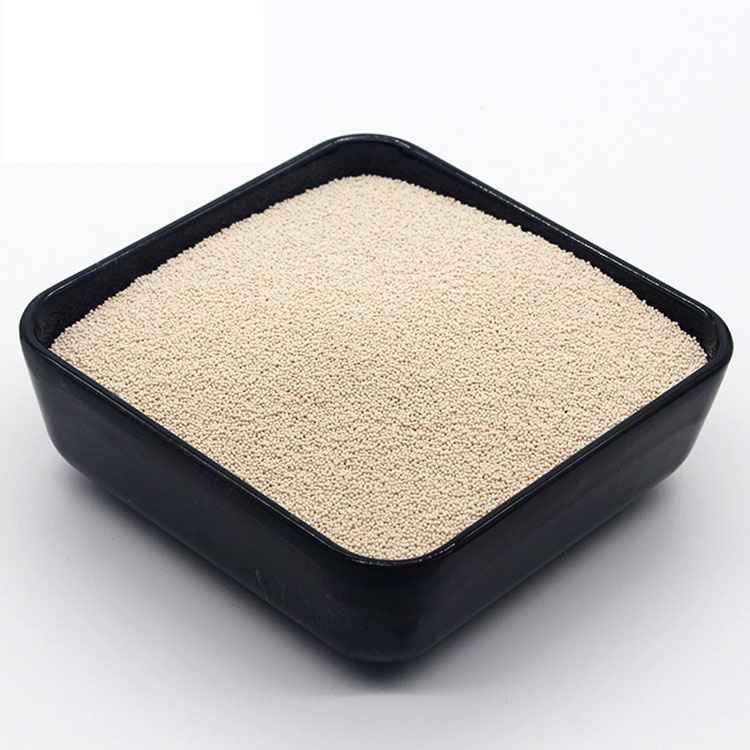
Soleron's 3A molecular sieve is offered in 0.5–0.9 mm, 1.0–1.5 mm and 1.5–2.0 mm grades, in brown color, with vacuum and carton packaging, a net weight of 25 kg and a listed 5-year guarantee. The three grades allow the IGU maker to match the desiccant to different spacer widths and filling equipment. The exact grade, fill quantity and handling procedure should be confirmed with the supplier for the actual spacer profile; a generic grade choice is not enough for a condensation-sensitive project.
Desiccant performance also depends on production discipline. If the desiccant is exposed to humid air before filling, or if the spacer cavity is not filled consistently, the unit can begin service with less drying capacity than intended. The desiccant cannot compensate indefinitely for a seal that lets moisture vapor into the cavity.
3. Sealant system: protect the dry cavity and the edge bond
The sealant system is the moisture barrier and the mechanical connection between the glass, spacer and edge assembly. In a dual-seal IGU, the primary seal is commonly butyl or polyisobutylene-based, while the secondary seal provides structural and durability support. ASTM C1249-18 describes a dual-seal system with polyisobutylene as the primary seal and silicone as the secondary seal for structural silicone glazing. That description is application-specific, but it shows why primary and secondary seal functions should not be treated as interchangeable.
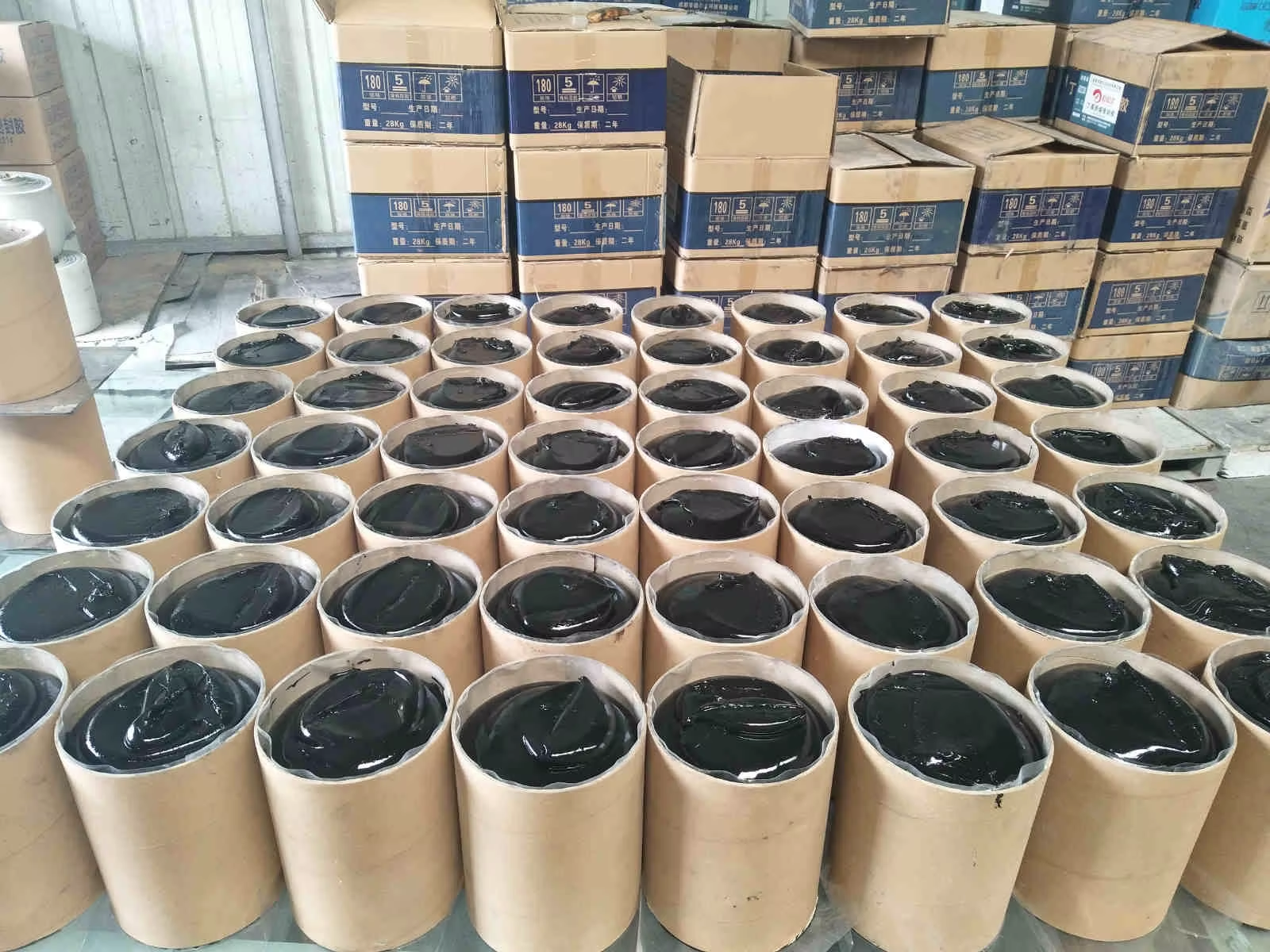
Soleron's sealant range includes butyl sealant, hot-melt butyl sealant and two-component silicone sealant under the SOL-803 and SOL-717 models, with black and white colors, carton box, plastic drum and iron bucket packaging, and a listed 10-year quality guarantee. For lines that use butyl tape in the edge assembly, tape width, adhesion and compatibility with the spacer and secondary seal should also be confirmed. The right choice depends on the production line, the cavity design, the project's structural requirements and the compatibility of the sealant with the spacer and desiccant.
A sealant that adheres well but is incompatible with the edge components can create a different durability risk. A sealant that is easy to process but has poor moisture resistance can allow fogging even when the desiccant is correctly specified. The evaluation should therefore include adhesion, weather resistance, processing behavior and compatibility, not price alone.
Step-by-step selection path for a condensation-prone IGU project
- Classify the complaint. Record whether the issue is surface condensation at the room-side edge, fogging inside the cavity, or water between the panes after service. The location changes the first material to investigate.
- Define the service condition. Confirm whether the unit is for residential, commercial, hotel, office, curtain wall, windows and doors, industrial, public building, renovation or energy-efficient building use. A cold-climate window and a long-life curtain wall unit may need different edge priorities.
- Select the spacer against the edge risk. If surface edge condensation is the problem, compare a warm-edge spacer with the current aluminium spacer. Check size, profile type, line compatibility and the listed 5-year guarantee. If mechanical strength and conventional line compatibility dominate, evaluate the aluminium range on its own merits.
- Select the desiccant grade against the cavity. Use the 0.5–0.9 mm, 1.0–1.5 mm or 1.5–2.0 mm grade as appropriate for the spacer width and filling equipment. Confirm vacuum packaging, 25 kg net weight and storage conditions before production.
- Select the sealant system as a pair or a set. Decide whether the unit uses butyl, hot-melt butyl, two-component silicone or a combination with butyl tape. Check adhesion to glass and aluminium, compatibility with the spacer and desiccant, and the 10-year quality guarantee listed for the Soleron sealant range.
- Control the production environment. The application unit for these materials specifies clean, dry, controlled-temperature and controlled-humidity working conditions. That is consistent with the basic principle that moisture control begins before the unit is sealed.
- Verify with test evidence. EN 1279-2 sets an average moisture penetration index of no more than 0.20 and an individual specimen index of no more than 0.25 for five aged specimens. AS/NZS 4666 covers long-term type testing, periodic manufacturing testing, traceability, desiccant suitability, shelf life and desiccant exposure limits. Ask for test reports and batch records for the actual materials, not just a catalogue statement.
- Feed the result back into the specification. If the same condensation complaint returns, compare the failed unit's spacer, desiccant grade, sealant batch and production humidity record. Do not change all three materials at once without a diagnostic reason.
Use cases: where this problem shows up
Cold-climate residential windows
In residential windows, the visible symptom is often condensation on the room-side glass near the frame. The buyer may describe it as a window defect, but the edge is simply colder than the indoor dew point. A warm-edge spacer can reduce the thermal bridge and help keep the edge warmer. The IGU maker should also check indoor humidity and the window's ventilation conditions before promising that a material change will remove every visible symptom.
Hotels, offices and curtain walls
Commercial and public buildings place longer service expectations on the unit. Internal fogging is the more serious complaint because it cannot be wiped away. For these projects, the desiccant grade, sealant durability and production moisture control deserve more attention than a simple spacer price comparison. Warm-edge design still supports edge performance, but the cavity must be dry and the seal must remain intact.
Renovation and energy-efficient building projects
Renovation work often has to match an existing cavity and frame. The IGU maker may have less freedom to change the spacer width, so the desiccant grade and sealant compatibility become the practical selection levers. For energy-efficient building projects, the edge system should be specified as a whole, because the spacer, desiccant and sealant each affect a different part of the moisture and thermal path.

Material comparison for IGU makers
| Component | Role in condensation control | Selection checks | Boundary condition |
|---|---|---|---|
| Warm-edge spacer bar | Reduces the edge thermal bridge and helps keep the glass edge warmer; supports airtightness | Check 6–27A size range, fiberglass, composite, PP, flexible or butyl-sealing type, 5 m or customized length, and 5-year guarantee | Does not repair a failed seal or saturated desiccant |
| Aluminium spacer bar | Maintains cavity width with mechanical strength and dimensional stability | Check 5.5–50 mm size, 0.16–0.35 mm thickness, standard or bendable type, and 5-year guarantee | Higher thermal conductivity makes edge thermal bridging a larger consideration |
| 3A molecular sieve | Adsorbs residual cavity moisture and helps reduce internal fogging | Match 0.5–0.9 mm, 1.0–1.5 mm or 1.5–2.0 mm grade to spacer width and filling equipment; confirm vacuum packaging and 25 kg net weight | Cannot compensate indefinitely for moisture ingress through a weak seal |
| Sealant system | Limits moisture vapor ingress and bonds the edge assembly | Compare butyl, hot-melt butyl, two-component silicone and butyl tape; check adhesion, compatibility, packaging and 10-year guarantee | Wrong sealant compatibility can create adhesion or durability risk |
The table is a selection aid, not a ranking. A project may use an aluminium spacer where mechanical requirements dominate, or a warm-edge spacer where edge condensation is the main complaint. In both cases, the desiccant and sealant must still match the cavity and the production process.
Production and verification checks
Material choice is only one part of the answer. The IGU maker should confirm storage, handling and assembly conditions for each component. Desiccant should remain sealed until filling; spacer and sealant should be stored as specified; the assembly area should be clean, dry and controlled for temperature and humidity. These controls reduce the chance that a correctly selected material begins service with an avoidable moisture load.
Verification should use the standard and the batch record together. EN 1279-2 provides a moisture penetration test framework with stated pass criteria. AS/NZS 4666 sets out requirements and guidelines for long-term type testing, periodic manufacturing testing, traceability, desiccant suitability and shelf life. Soleron lists random inspection as its quality-control method, along with 5-year guarantees on spacer and molecular sieve products and a 10-year guarantee on sealants. Those are supplier statements; the buyer should still request test reports for the specific product and project.
For project sourcing, Soleron also lists OEM/ODM support, logo, size and packaging customization, a minimum order quantity of 5 cartons and a 20–45 day lead time. These are commercial checks rather than condensation tests, but they matter when a trial order has to move into repeat production without changing the material batch.
FAQ
Aluminum spacer bar manufacturers for double-glazing window projects: what should IGU makers verify?
Start with the cavity and edge design, not the supplier name alone. For Soleron's aluminium spacer range, verify the 5.5–50 mm size, 0.16–0.35 mm thickness, 5 m or customized length and the listed 5-year quality guarantee. Confirm that the manufacturer can hold dimensional accuracy and surface quality, because the spacer sets the cavity width and affects how the desiccant and sealant fit. If the project has a history of edge condensation, compare a warm-edge spacer option before fixing the aluminium specification. Ask for batch inspection records, product test reports and confirmation that the spacer is compatible with the chosen desiccant and sealant. Soleron is one manufacturer to evaluate; the final choice should follow the project's cavity, production line and compliance requirements.
Conclusion
Edge condensation in insulating glass is best treated as a system problem. Surface condensation at the edge calls for a review of thermal bridging, where a warm-edge spacer can help. Fogging inside the cavity calls for a review of residual moisture, where 3A molecular sieve grade and filling control matter. Water or haze after service calls for a review of seal integrity and moisture ingress, where butyl, hot-melt butyl, two-component silicone or butyl tape must be matched to the edge design. Soleron Insulating Glass Materials covers these categories, but the correct combination still depends on the cavity, line, service condition and test evidence for the actual project.
If you are evaluating materials for a condensation-prone IGU line, review the Soleron product catalog or request a sample discussion that includes spacer width, desiccant grade, sealant type and the target test standard. A clear input list helps the supplier confirm compatibility before production.
Have Questions or Need More Details?
Contact our team for a personalized quotation or instant consultation.
Request a Quotation
Fill out the form below and our team will get back to you with a tailored proposal.
WhatsApp Direct Chat
Prefer to chat in real-time? Message us on WhatsApp for instant assistance & quick answers.
- Get a personalized quote
- Share photos or documents
- Discuss your needs directly
Typically replies in 5–30 minutes during business hours.