
Insulating Glass Materials Supply: Sizes, Guarantees, FAQs
A long-term partnership for insulating glass materials is less about price than about repeatability: the same spacer profile, the same sealant chemistry, the same packaging and the same acceptance check on every delivery. This guide covers the questions buyers ask before moving from a trial order to a running supply programme — which custom sizes are available for aluminium spacer bars, warm edge spacer bars, Georgian bars and corner connectors; what the declared 10-year guarantee covers for accessory products and sealants; which net weights and packaging formats exist; and which purchasing terms and acceptance criteria are worth fixing in writing.
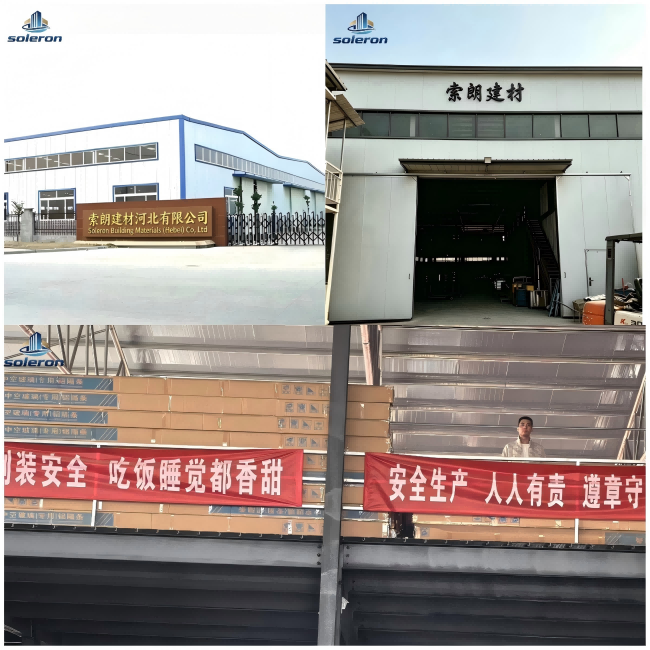
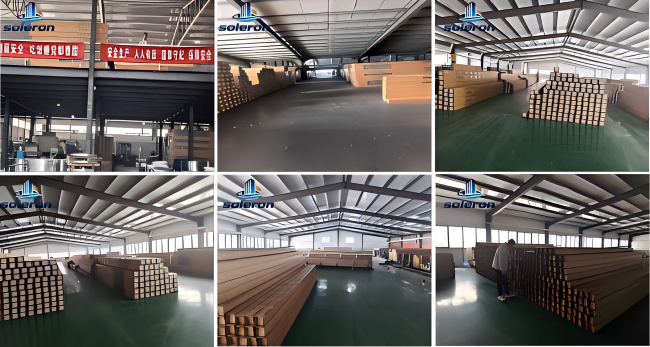
Soleron Insulating Glass Materials is the insulating glass component range of Soleron Building Materials (Hebei) Co., Ltd., a manufacturer based in Renqiu, Hebei Province, China, producing aluminium spacer bars, warm edge spacers, sealants, molecular sieve desiccant, Georgian bars, corner connectors and related IGU accessories. The specification figures in this article are the company's declared product data; standards and market figures are attributed to their publishers.
Why a long-term materials partnership is a specification problem
An insulating glass unit is a sealed assembly, and every material at its edge has to behave the same way on the thousandth unit as it did on the first. The spacer bar holds the glass panes at a fixed distance and establishes the size of the interpane space, as the Lawrence Berkeley National Laboratory describes the function. The desiccant — commonly molecular sieve or a blend of silica gel with molecular sieve — adsorbs residual water and solvent vapour inside that sealed space, according to ASTM C1249. The sealant system closes the edge, and for structural silicone glazing the same standard describes a dual-seal build with polyisobutylene as the primary seal and silicone as the secondary seal.
Because those three components act as one system, a supply relationship built on a single acceptable delivery can still fail over two years. The recurring risks are narrow and predictable:
- Size drift. A spacer ordered at one width and supplied a fraction wider the next quarter changes the cavity, the sealant bead and the glass bite.
- Colour drift. Georgian bars and corner connectors are visible in the finished window; a new batch half a shade different becomes a visible defect on site.
- Desiccant exposure before use. A sealed unit fails from moisture ingress, and desiccant that has already adsorbed water before filling cannot do its job.
- Guarantee ambiguity. A declared period is not the same as a defined scope, and many buyers only discover the difference when a claim arises.
Industry background: why buyers plan further ahead
Grand View Research's commercial research puts the global insulated glass market at USD 92.7 billion in 2024, with a reported projection of USD 101.3 billion for 2026 and USD 121.7 billion by 2030. Separately, Meticulous Research values the warm edge spacer market at USD 1.1 billion in 2024 with a projection of around USD 1.90 billion by 2035. Both are commercial estimates rather than independently verified statistics, but they describe a direction that matters for procurement: demand is spread across both aluminium and warm-edge spacer families rather than concentrated in one.
For a processor, the practical reading is that a multi-year programme will usually need aluminium spacer bars and warm edge spacer bars, plus the sealant and desiccant that go with each build-up. A supply relationship that covers the full edge assembly reduces the number of supplier qualifications a buyer has to repeat when a project specification changes. That is the commercial case for treating spacers, connectors, sealants and desiccant as one sourcing decision instead of four.
Custom sizes and specifications across the range
Soleron's published product data declares a size range, a length convention and a customization position for each product family. The table consolidates them; the notes after it explain what each range means when a repeat-order specification is being written.
| Product family | Declared sizes | Length / unit | Declared customization | Declared guarantee |
|---|---|---|---|---|
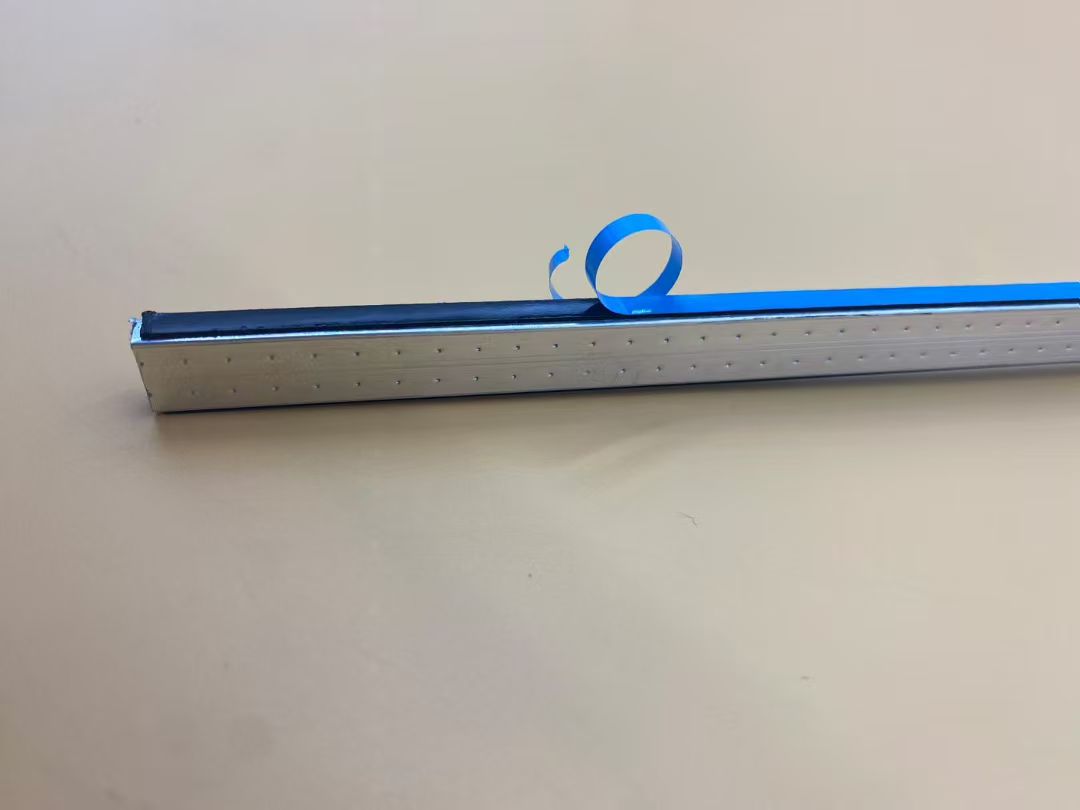
| Aluminium spacer bar (standard, bendable, black, embossed, butyl-applied) | 5.5–50 mm width; 0.16–0.35 mm wall thickness | 5 m or customized | Sizes, lengths and quantities customized | 5 years |
| Warm edge spacer bar (fiberglass, composite plastic + stainless steel, PP, flexible, butyl sealing) | 6–27A | 5 m or customized | Sizes and quantities customized | 5 years |
| Georgian bar (aluminium, recyclable plastics, ABS) | 5×8, 6×8, 7×7, 6×15, 8×18, 8×26 mm and other sizes | 3 m or customized | 0.5 mm or 0.7 mm thickness; black, gold, white or customized colours | 5 years |
| Corner connector (plastic corner connector, steel straight connector, Georgian bar connector, end caps) | 5.5–50 mm | Per piece | Black, white or customized colours; quantity customized | 5 years |
| 3A molecular sieve desiccant | 0.5–0.9 mm, 1.0–1.5 mm, 1.5–2.0 mm | 25 kg net, vacuum bag in carton | Declared size grades | 5 years |
| Sealant (butyl, hot melt, two-component silicone; SOL-803, SOL-717) | Black and white | 28 kg, 30 kg, 330 kg | Colours as declared | 10 years |
| Other accessories (butyl tape, cork pads, trimming cotton) | Sizes and specifications customized | Carton box | Different sizes and specifications available | 10 years |
Aluminium spacer bars: 5.5 mm to 50 mm, five constructions
Aluminium spacer bars are declared from 5.5 mm to 50 mm in width, with wall thickness from 0.16 mm to 0.35 mm, supplied in 5 m lengths or customized lengths. The range covers standard, bendable, black, embossed and butyl-applied profiles, produced from 3003 and 1100 series aluminium coil and described as high-frequency welded for consistent joints. For a long-term order, width and wall thickness are the two dimensions to lock first: width sets the cavity, while wall thickness affects how the profile behaves when it is bent or rolled. The declared position is that sizes and quantities can both be customized, and a flexible MOQ is offered for trial orders and regular production.
Warm edge spacer bars: 6A to 27A in five systems
Warm edge spacer bars are declared from 6A to 27A in 5 m lengths or customized lengths. The family includes fiberglass warm edge spacer, composite warm edge spacer made of plastic with stainless steel, PP warm edge spacer, flexible warm edge spacer and butyl sealing spacer. The product data describes the function in thermal terms — reducing heat transfer at the glass edge and keeping that edge warmer to limit condensation — and the practical point for a repeat order is that a warm edge spacer can mean five different constructions. Fix the construction and the size, not only the category name.
Georgian bars: decorative profiles with colour customization
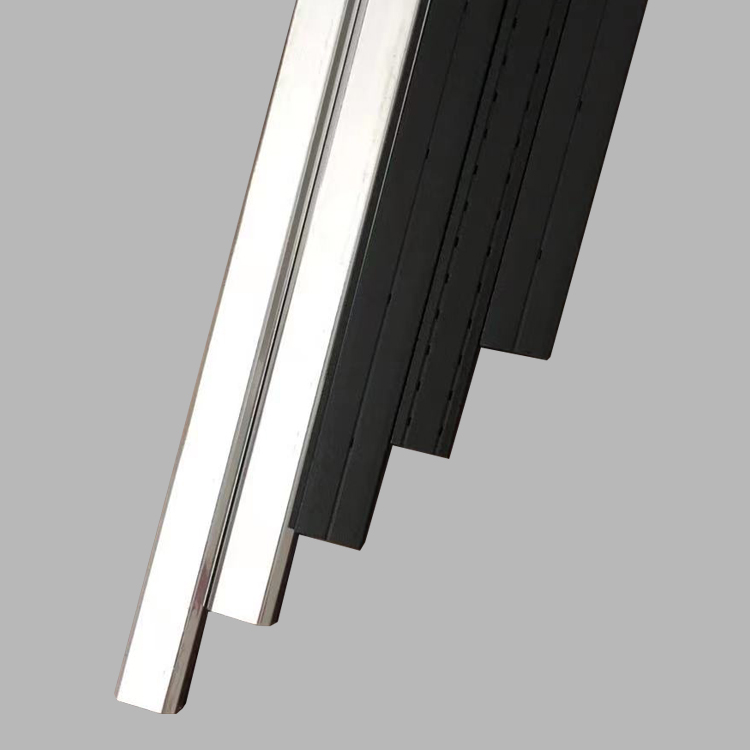
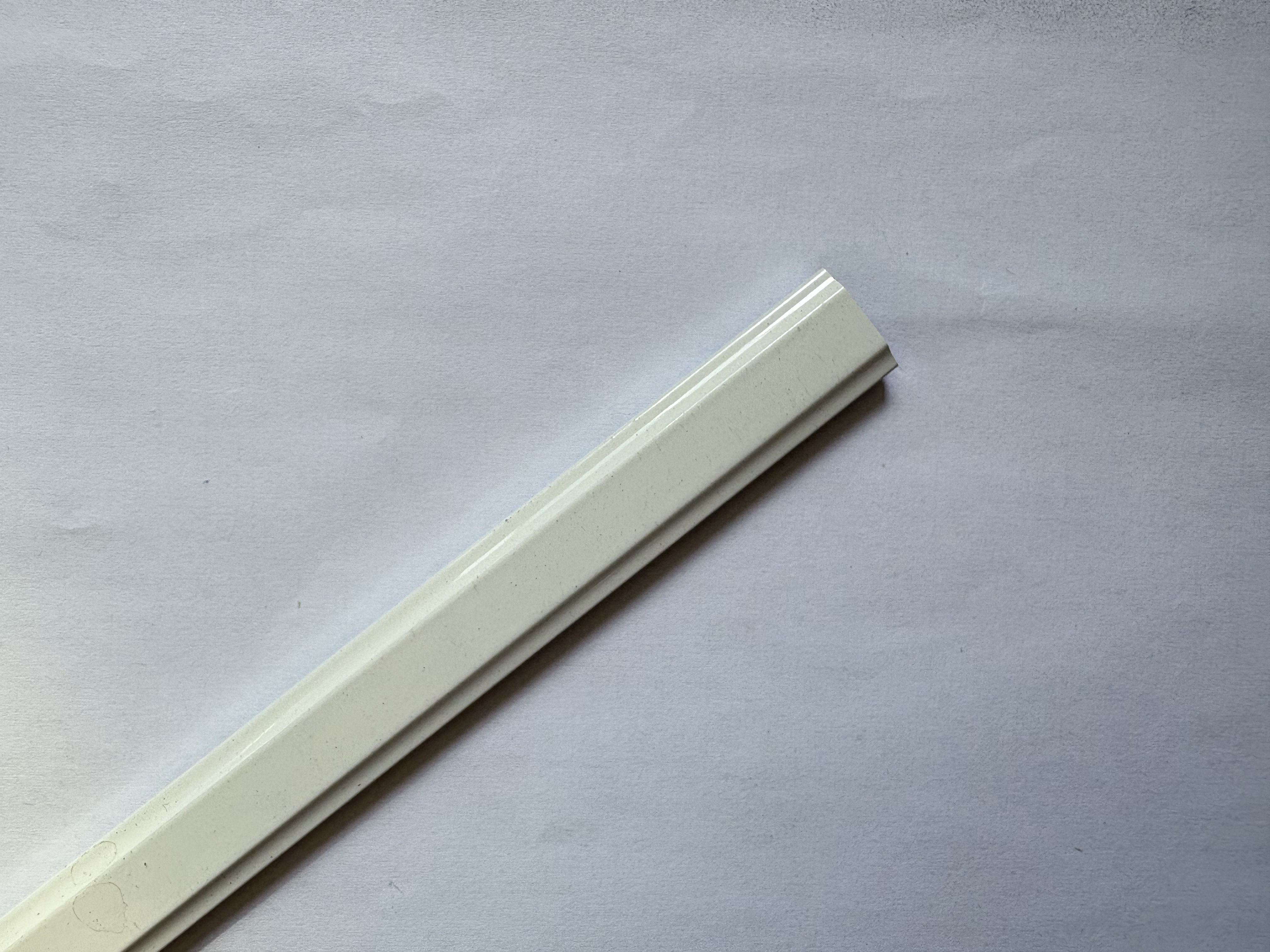
Georgian bars are declared in 5×8, 6×8, 7×7, 6×15, 8×18 and 8×26 mm profiles, with other sizes available, in 3 m lengths or customized lengths, at 0.5 mm or 0.7 mm thickness. Materials are aluminium, recyclable plastics and ABS, and colours are black, gold and white with customized colours available. Decorative bars carry no structural duty, so the specification work is mostly about appearance consistency and cut length: agree one colour reference and one thickness, then hold both across every order in the programme.
Corner connectors: size range, types and colours
Corner connectors are declared from 5.5 mm to 50 mm, sold by the piece, in recyclable plastics for the plastic corner connector type, with steel straight connectors, Georgian bar connectors and end caps also listed. Colours are black and white with customized colours available, and quantity is customizable. Two rules keep repeat orders clean: match the connector size to the nominal spacer width in the same purchase order, and match connector colour to the Georgian bar colour wherever the connector is visible in the finished unit.
What the declared guarantee periods actually cover
Two different declared periods appear in the product data, and the split matters when a supply agreement is drafted. Sealants — butyl, hot melt and two-component silicone, models SOL-803 and SOL-717 — together with accessory products such as butyl tape, cork pads and trimming cotton, are declared with a 10-year quality guarantee. Aluminium spacer bars, warm edge spacer bars, Georgian bars, corner connectors and 3A molecular sieve desiccant are declared with a 5-year guarantee.
Those periods attach to the component, not to the finished unit. IGU durability is judged on the assembled product: EN 1279-2, for example, sets a moisture penetration index of Iav ≤ 0.20 across five aged specimens with an individual limit of I ≤ 0.25, and permits desiccant moisture content to be determined by 540 °C drying, Karl Fischer titration, gravimetric or dew-point methods. AS/NZS 4666 addresses long-term type testing, periodic manufacturing testing, traceability, desiccant suitability, shelf life and desiccant exposure limits. None of that is a component warranty; it is the framework a buyer can point to when defining acceptance and asking which evidence accompanies a batch.
Sealant options: net weights, colours and packaging
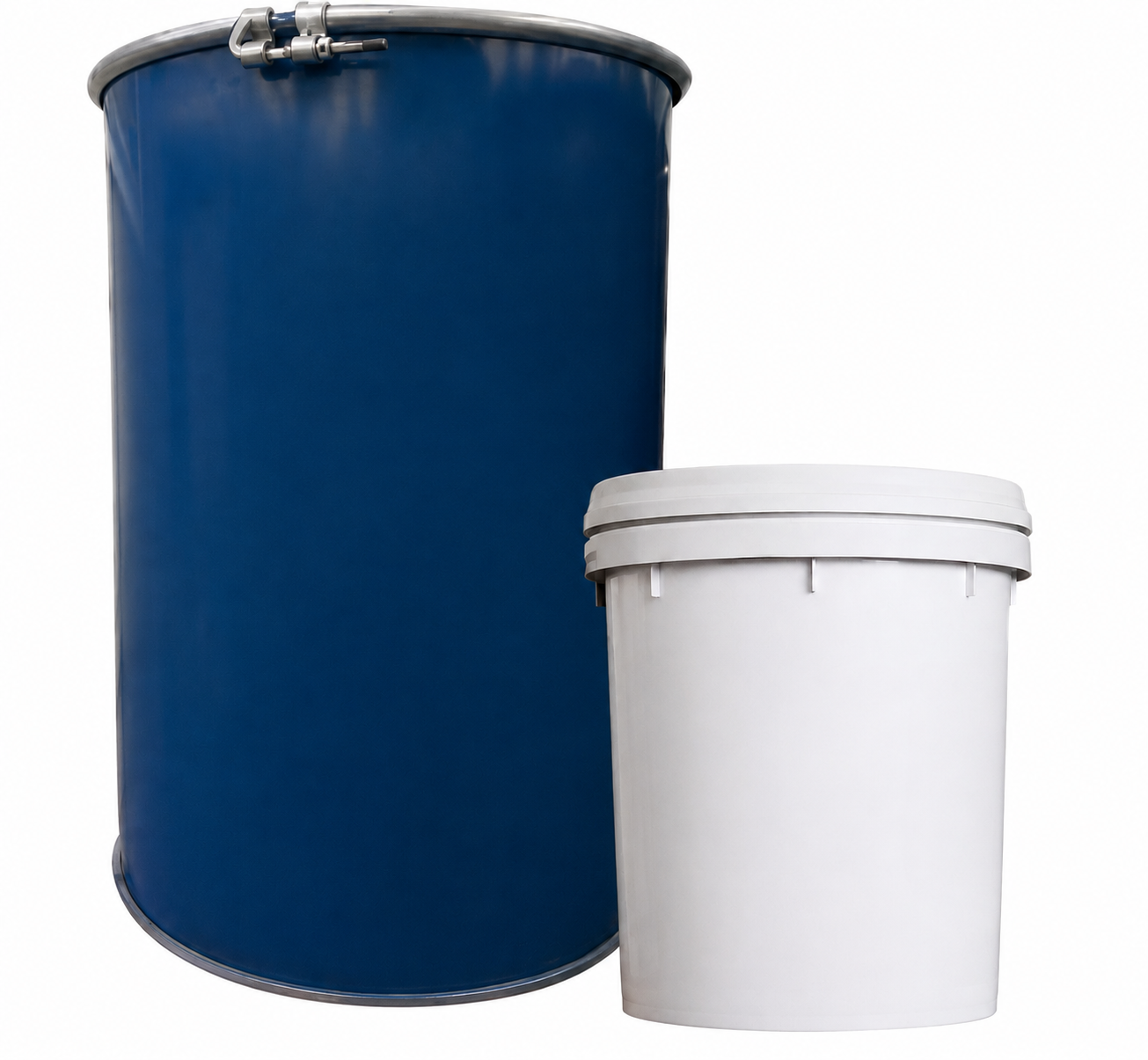
Sealants are declared in three chemistries — butyl sealant, hot melt sealant and two-component silicone sealant — under models SOL-803 and SOL-717, in black and white, based on butyl rubber, silicone polymer and EVA. Declared net weights are 28 kg, 30 kg and 330 kg, packed in carton boxes, plastic drums and iron buckets, with a 10-year declared quality guarantee. The weight range is what makes a programme practical: where daily consumption is high, the 330 kg format reduces changeovers; where output is lower, or a new sealant is being trialled before a line is committed, the 28 kg and 30 kg formats allow a smaller commitment.
Chemistry and role should be decided together. In a dual-seal unit the primary seal and the secondary seal do different jobs, and ASTM C1249 describes polyisobutylene as primary with silicone as secondary for structural silicone glazing systems. A buyer specifying butyl, hot melt or two-component silicone for a long-term order should state which layer each product fills in their own build-up, because the same product name can sit in a different position in another processor's line.
| Item | Declared packaging | Declared net weight / unit |
|---|---|---|
| Sealant (butyl, hot melt, two-component silicone) | Carton box, plastic drum, iron bucket | 28 kg, 30 kg, 330 kg |
| 3A molecular sieve | Vacuum bag in carton box | 25 kg |
| Georgian bar | Carton box | 3 m or customized length |
| Corner connector | Bag or box packing | Per piece |
| Other accessories (butyl tape, cork pads, trimming cotton) | Carton box | Not declared |
| Aluminium and warm edge spacer bars | Not stated in the published specification | 5 m or customized length |
The last row is a reminder rather than an omission: spacer bars are length-critical profiles, so bundle protection, end protection and carton or pallet format should be confirmed in the quotation instead of assumed from a table.
Setting up a repeat supply programme, step by step
- List the build-ups you will actually run. Cavity widths, glass thickness combinations and annual volumes for the next four quarters. Customization is only useful if the size list reflects real jobs.
- Choose the spacer family per build-up. Aluminium spacer bars from 5.5 mm to 50 mm for conventional work; warm edge spacers from 6A to 27A where the project specifies a warm-edge system — and name the construction, not just the category.
- Match the connectors. Order corner connectors within the same 5.5–50 mm range as the spacer width, and align connector colour with the Georgian bar colour where both are visible.
- Fix the sealant system and pack size. Decide butyl, hot melt or two-component silicone, state the layer it fills, and choose 28 kg, 30 kg or 330 kg according to consumption.
- Specify the desiccant. Grade 0.5–0.9 mm, 1.0–1.5 mm or 1.5–2.0 mm, supplied at 25 kg net in vacuum bags inside cartons; confirm the filling equipment can handle the grade chosen.
- Agree colour references. Georgian bar and connector colours against one physical sample, held on file for both sides.
- Agree packaging, documentation and delivery per item. Packaging format by product, batch information, and delivery windows for each size in the list.
- Run a trial order before volume. Check the trial against the acceptance criteria below, then convert to scheduled quantities.
Acceptance criteria for every delivery
Acceptance criteria turn a declaration into a check an incoming inspector can complete in minutes. The requirements IGU producers typically place on these materials — high dimensional accuracy, bending performance, a clean and smooth surface, sealant compatibility, moisture resistance and durability — map directly onto the checks below.
- Spacer bars. Measure width and wall thickness (0.16–0.35 mm) on samples from each bundle, confirm length, and inspect the surface: a contaminated surface undermines sealant compatibility.
- Warm edge spacers. Confirm the declared size in the 6–27A range and the construction type against the approved sample.
- Georgian bars. Check profile size, 0.5 mm or 0.7 mm thickness, cut length and colour against the approved reference.
- Corner connectors. Test-fit into the matching spacer width and confirm colour match for visible parts.
- Sealants. Verify net weight (28 kg, 30 kg or 330 kg), container integrity, declared colour and batch code.
- Desiccant. Check the vacuum bag is intact, net weight is 25 kg, the particle size band matches the order, and the colour is as declared.
- Documentation. File the guarantee statement for each product family with the batch record, so a later claim can be traced to a delivery.
Storage is part of acceptance. Clean, dry conditions with controlled temperature and humidity are the working conditions declared for these materials, and desiccant should stay sealed until the filling station opens the bag. A batch that arrives in specification but sits open in a humid warehouse is no longer in specification by the time it is used.
Where these material sets fit
The declared applications cover residential, commercial, hotel, office, public building, curtain wall, windows and doors, industrial, renovation and energy-efficient building work. The combinations differ by project rather than by preference:
- Standard window and door production. Aluminium spacer bars with a butyl primary seal and a silicone secondary seal, plus 3A molecular sieve in the spacer.
- Energy-driven specifications. Warm edge spacer bars in the declared 6A–27A range, with the construction type stated in the purchase order.
- Decorative glazing. Georgian bars in 5×8 to 8×26 mm profiles with colour-matched connectors, specified against a single approved sample.
- Structural or high-durability facades. A dual-seal build, with sealant choice treated as a system decision rather than a commodity line item.
- Renovation and staged projects. Repeat orders on a fixed size list, where stock availability of regular items shortens the response to urgent replacements.
Frequently asked questions
Which custom sizes are available for aluminium and warm edge spacer bars?
Aluminium spacer bars are declared from 5.5 mm to 50 mm in width with 0.16–0.35 mm wall thickness in 5 m lengths; warm edge spacer bars are declared from 6A to 27A, also in 5 m lengths. Both state that length and quantity can be customized, so a programme can fix a size list instead of accepting a catalogue width. Confirm the exact size list and tolerances in the quotation.
Can Georgian bar and corner connector colours be customized?
Georgian bars are declared in black, gold and white with customized colours available, and corner connectors in black and white with customized colours available. Because the two are usually visible together in the same unit, specify both against one colour reference and approve a physical sample before the first production run.
How long is the declared quality guarantee?
Sealants — butyl, hot melt and two-component silicone, models SOL-803 and SOL-717 — and accessory products such as butyl tape, cork pads and trimming cotton carry a declared 10-year quality guarantee. Aluminium spacer bars, warm edge spacer bars, Georgian bars, corner connectors and 3A molecular sieve carry a declared 5-year guarantee. These are supplier declarations for the component, not a certification of finished IGU performance.
What net weights and packaging formats do the sealants come in?
Declared net weights are 28 kg, 30 kg and 330 kg, packed in carton boxes, plastic drums and iron buckets, in black and white. For comparison, 3A molecular sieve is packed at 25 kg net in vacuum bags inside cartons, Georgian bars ship in cartons, corner connectors in bags or boxes, and butyl tape, cork pads and trimming cotton in cartons.
What purchasing terms should be fixed for ongoing supply?
Fix the size list and tolerance per profile, standard versus customized lengths (5 m for spacer bars, 3 m for Georgian bars), quantity per size, colour references, packaging format per item, batch documentation and delivery windows. Soleron declares customized sizes and quantities, and a flexible MOQ on aluminium spacer bars that suits trial orders as well as regular production.
What acceptance criteria should apply to each delivery?
Check declared dimensions — spacer width and 0.16–0.35 mm wall, Georgian bar thickness of 0.5 mm or 0.7 mm, connector fit — plus sealant net weight and container integrity, desiccant vacuum seal and 25 kg net weight, colour against the approved reference, and batch documentation. Where a project requires standards-based evidence, request the relevant test reports before the first order rather than after the first complaint.
How do I shortlist China insulating glass materials suppliers for a long-term contract?
Shortlist on range breadth, declared specifications, guarantee scope and delivery reliability rather than price alone. A supplier covering aluminium and warm edge spacers, sealants, desiccant, Georgian bars and connectors removes the need to qualify several vendors for one build-up. Ask for a size list, a guarantee statement per product family, packaging details and a trial order before committing volumes — Soleron supplies this range from Renqiu, Hebei, and publishes a catalogue for review.
Next step. Soleron Insulating Glass Materials supplies aluminium and warm edge spacer bars, sealants, 3A molecular sieve, Georgian bars and corner connectors from Renqiu, Hebei, with main markets in Europe, North America, Asia, the Middle East, Latin America and Africa. Send your cavity widths, sealant system and expected annual volume to build a size list, or review the range first in the Soleron product catalogue (PDF).
Conclusion
A long-term insulating glass materials partnership holds together on three documents: a size list that matches the build-ups you actually run, a guarantee statement that names the product family and its declared period, and an acceptance checklist that can be repeated on every delivery. The declared data makes the first two straightforward — spacer bars from 5.5 mm to 50 mm and 6A to 27A, Georgian bars in six profiles with customized colours, connectors from 5.5 mm to 50 mm, sealants at 28 kg, 30 kg and 330 kg with a 10-year guarantee, and profiles, decorative bars and desiccant at 5 years. The third document is the one buyers write themselves, and it is the one that decides whether the relationship survives its second year.
Have Questions or Need More Details?
Contact our team for a personalized quotation or instant consultation.
Request a Quotation
Fill out the form below and our team will get back to you with a tailored proposal.
WhatsApp Direct Chat
Prefer to chat in real-time? Message us on WhatsApp for instant assistance & quick answers.
- Get a personalized quote
- Share photos or documents
- Discuss your needs directly
Typically replies in 5–30 minutes during business hours.