
Application Guide: Configuring IGU Materials for Condensation-Prone Facades
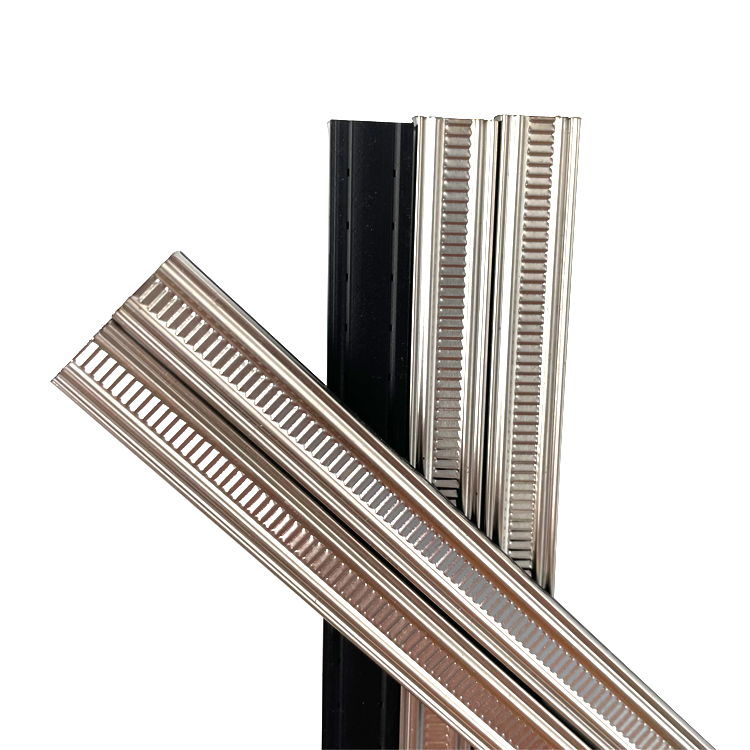
For a condensation-prone facade, the IGU material set has to do three jobs at once: keep the glass edge warmer, keep the sealed cavity dry, and keep water vapor from entering the edge seal. The practical configuration is a warm-edge spacer where edge thermal performance is the driver, a correctly sized 3A molecular sieve desiccant, a qualified primary and secondary sealant system, and accessories that let the production line assemble the unit without damaging the seal. Soleron Insulating Glass Materials supplies these material categories for IGU processors and window manufacturers, including warm-edge spacers, aluminium spacer bars, sealants, molecular sieve, and butyl tape, cork pads and trimming cotton.
This guide is for projects where edge condensation and cavity fogging are key concerns: cold-climate windows, high-humidity commercial facades, hotel and office buildings, and renovation work where the original double glazing has failed. It does not treat a single component as a cure. It shows how to match the materials to the facade, the spacer cavity, and the production line.
Why Condensation Appears at the Edge and Inside the Cavity
Edge condensation and cavity fogging are different failure modes. Edge condensation appears on the room-side glass surface near the spacer, where the edge of the glazing is colder than the center. Cavity fogging appears inside the sealed space, where residual moisture or vapor ingress has raised the dew point above what the desiccant can hold. A warm-edge spacer addresses the first path by reducing heat transfer at the edge. A 3A molecular sieve addresses the second by adsorbing residual water and solvent vapor. The sealant system addresses both by limiting moisture ingress over time.
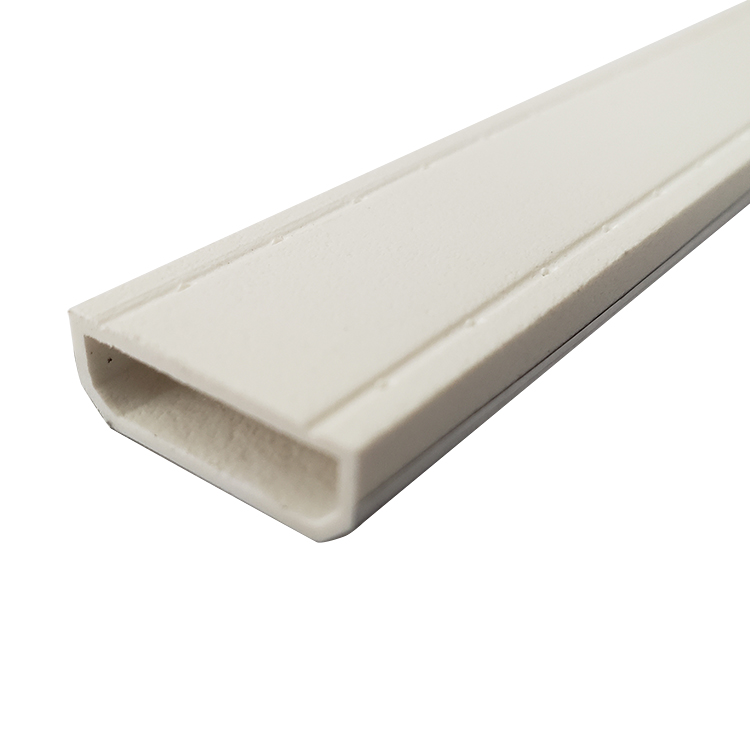
The spacer bar also has a geometric job. Lawrence Berkeley National Laboratory describes the main function of the spacer bar as holding the glass panes at a fixed distance and establishing the size of the interpane space. That is why spacer width, desiccant fill, and sealant thickness must be fixed together. A warm-edge profile that is correct for the facade can still perform poorly if the desiccant is undersized, the sealant is not compatible, or the corner and connector fit leave a path for moisture.
Standards give the project team a way to frame the discussion. EN 1279-2 includes a moisture penetration test for insulating glass units; the supplied standard summary gives an average moisture penetration index of no more than 0.20 for five aged specimens, with an individual specimen limit of 0.25. The same standard summary lists permitted desiccant moisture-content methods including 540 C drying, Karl Fischer titration, gravimetric and dew-point methods. These are qualification checks, not a substitute for correct material selection, but they help the buyer ask for evidence that matches the intended facade exposure.
Material Roles in a Condensation-Prone IGU
The material list should be read as a system. The table below maps each component to the configuration decision it controls. It uses only the supported material facts in this brief; it does not assign a condensation rating to a product.
| Component | Role in the unit | What to specify |
|---|---|---|
| Warm Edge Spacer Bar | Low thermal conductivity at the edge; designed to reduce glass-edge condensation and support IGU energy performance. | 6–27A size range; fiberglass, composite plastic plus stainless steel, PP, or flexible butyl sealing spacer format; 5 m or customized length; 5-year quality guarantee. |
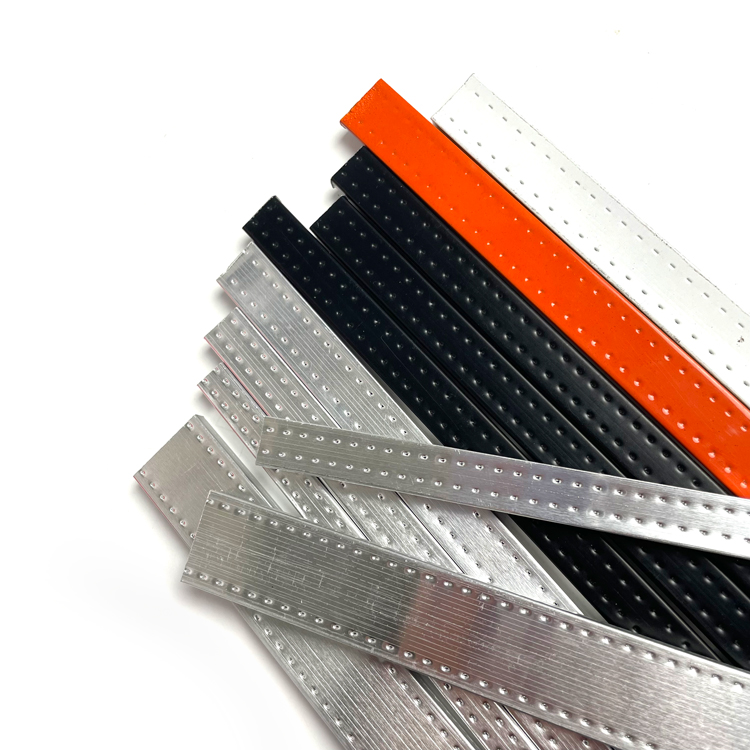
| Aluminium Spacer Bar | Maintains cavity geometry and offers mechanical strength, dimensional stability and compatibility with conventional lines. | 5.5–50 mm size; 0.16–0.35 mm thickness; 6A–24A and custom air gaps; standard, bendable, black, embossed or butyled formats; 3003 or 1100 aluminium coil. |
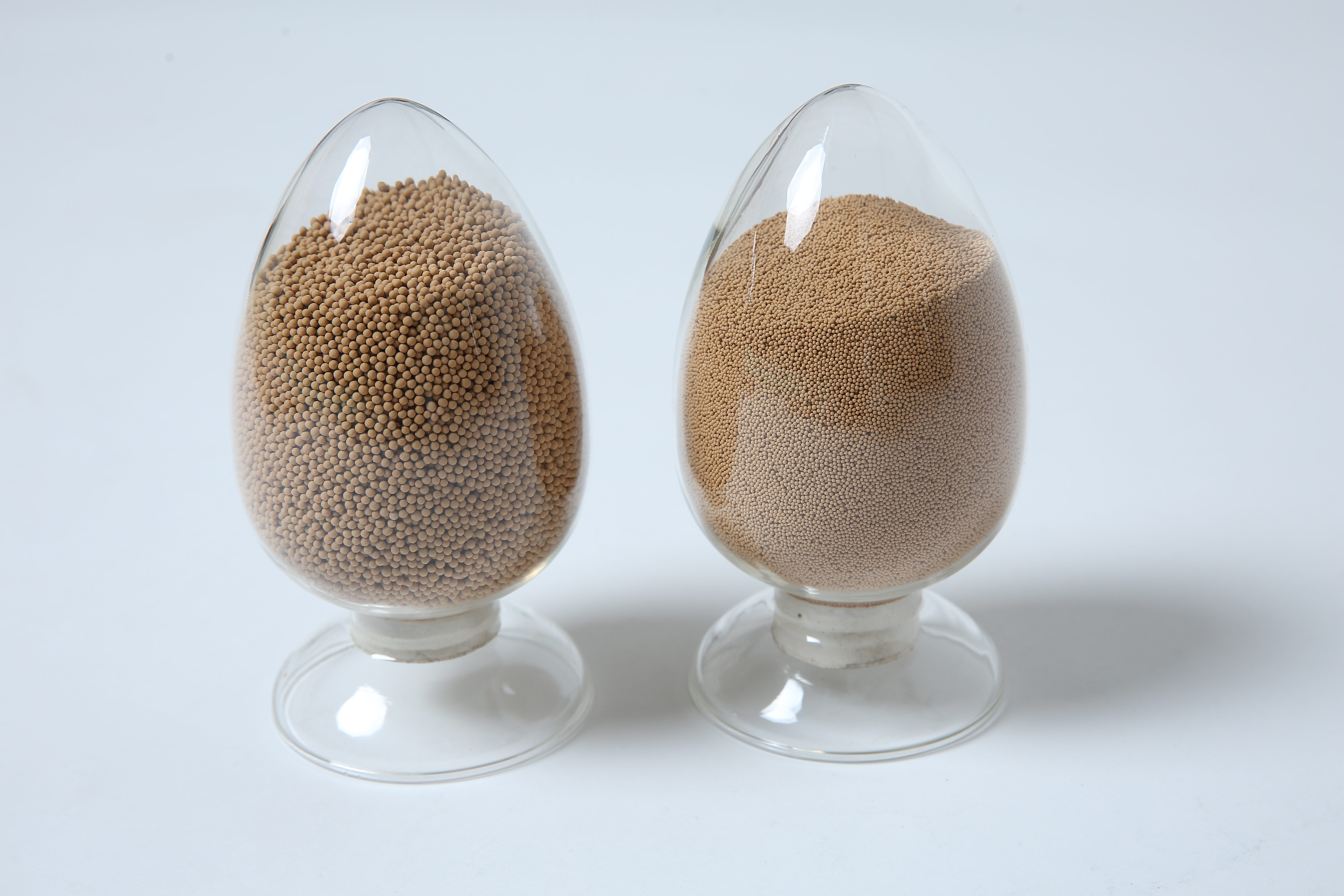
| 3A Molecular Sieve | Adsorbs residual moisture in the sealed cavity and supports condensation control. | 0.5–0.9 mm, 1.0–1.5 mm or 1.5–2.0 mm grade; brown synthetic zeolite; 25 kg net vacuum pack plus carton; 5-year guarantee. |
| Sealant system | Forms the primary and secondary seal; limits air and moisture ingress and bonds to glass and aluminium. | Butyl, hot melt, or two-component silicone; SOL-803 and SOL-717 range; black or white; 28 kg, 30 kg or 330 kg packaging; 10-year guarantee; confirm primary or secondary qualification. |
| Accessories | Support assembly, glass protection and cleaning during IGU production. | Butyl tape, cork pads and trimming cotton; carton packaging; 10-year guarantee; custom sizes where required. |
Step-by-Step Configuration Path
The sequence matters. Start with the facade problem, then fix the cavity, then select materials that fit the line and the seal design.
- Define the failure mode. Record whether the concern is visible edge condensation, fogging inside the cavity, or both. Check the facade orientation, indoor humidity, project type, and whether the units are for windows and doors, a curtain wall, a hotel, an office building, or a renovation. This determines whether edge thermal performance, desiccant capacity, sealant durability, or all three need the most attention.
- Fix the cavity and spacer width. For aluminium systems, the supplied range covers 5.5–50 mm spacer sizes and 6A–24A air gaps, with custom specifications available. For warm-edge systems, the supplied range is 6–27A. Do not order a spacer by nominal size alone; confirm the connector, corner key, and bending or assembly equipment for that profile.
- Choose the edge material for the facade. Use a warm-edge spacer where the project needs low thermal conductivity at the edge and reduced glass-edge condensation. Use an aluminium spacer where mechanical strength, dimensional stability and conventional line compatibility are the governing requirements. Both can be part of a controlled IGU design; the decision should follow the facade performance target and the processor's line.
- Select the 3A molecular sieve grade. Choose from the supplied 0.5–0.9 mm, 1.0–1.5 mm and 1.5–2.0 mm grades. Confirm that the grade fills the spacer channel cleanly, flows through the molecular sieve filling machine, and is compatible with the spacer format. The grade is a desiccant specification, not a replacement for the spacer air-gap designation.
- Define the sealant system. Decide which supplied product is the primary seal and which is the secondary seal. The range includes butyl sealant, hot melt sealant and two-component silicone sealant. For structural or high-durability dual-seal designs, technical references describe polyisobutylene as the primary seal and silicone as the secondary seal. Confirm that the selected Soleron product is qualified for the intended layer rather than assuming that every butyl or silicone product can be exchanged.
- Add the accessories needed by the line. Use butyl tape where the spacer system and process call for it. Use cork pads to protect glass during handling and trimming cotton for cleaning and trimming support. These accessories help production consistency, but they do not replace the desiccant or the edge seal.
- Check production fit. Match the spacer to the bending machine, molecular sieve filling machine, butyl extruder and IGU production line. The application data for this material family specifies clean, dry, controlled-temperature and controlled-humidity conditions, with high dimensional accuracy, good bending performance, clean surfaces and sealant compatibility. A material that is correct on paper but wrong for the line will create seal defects during assembly.
- Release only after document and sample checks. Confirm size, grade, packaging, guarantee period and compatibility with the project specification. Keep the spacer, desiccant and sealant batch records together so that a later condensation complaint can be traced to the material set, not just to one component.
Pairing Warm Edge Spacers with 3A Molecular Sieve
A warm-edge spacer changes the thermal path at the edge, but it does not remove moisture from the cavity. The desiccant does that. In a condensation-prone facade, the two components should be selected together: the spacer sets the cavity and the desiccant channel; the 3A molecular sieve adsorbs residual moisture and helps keep the dew point low enough for the sealed unit to remain clear.
The supplied 3A molecular sieve is a synthetic zeolite in brown granular form, packed at 25 kg net in vacuum plus carton, with a 5-year guarantee. Its stated functions are moisture adsorption, condensation support, high adsorption capacity, stable performance, fast adsorption, low dust and high purity. Those properties matter in production because dust and fines can contaminate the spacer channel or interfere with the primary seal. The buyer should still ask for the actual grade, packaging condition and batch record rather than relying on the category name alone.
This is where the wording of a specification needs care. The project brief may say that the 3A grade is selected by spacer width and list 0.5–0.9 mm, 1.0–1.5 mm and 1.5–2.0 mm. In the supplied product data, those figures are molecular sieve size ranges, not spacer widths. Spacer width is stated separately: 6–27A for the warm-edge range and 5.5–50 mm with 6A–24A air gaps for the aluminium range. The correct configuration step is to select the sieve grade that suits the spacer channel and filling equipment, then record the spacer width, air gap and sieve grade as three separate line items. Do not turn a 12A air gap into a 1.0–1.5 mm sieve by assumption.
| 3A sieve grade | Configuration question | Release check |
|---|---|---|
| 0.5–0.9 mm | Will the finer grade flow cleanly through the filling nozzle and fill the intended spacer channel without dusting? | Check vacuum packaging, dust level, fill weight and compatibility with the spacer profile. |
| 1.0–1.5 mm | Does the grade match the spacer cavity and the filling machine's calibration? | Confirm the spacer width, fill height and batch record before production. |
| 1.5–2.0 mm | Is the coarser grade suitable for the spacer channel and does it stay within the edge seal zone? | Check that granules do not bridge or damage the sealant path; verify against the line trial. |
These rows are configuration checks, not a performance ranking. The right grade is the one that the spacer, filling machine and sealant system can accept together.
Choosing Sealant Formats for the Edge Seal
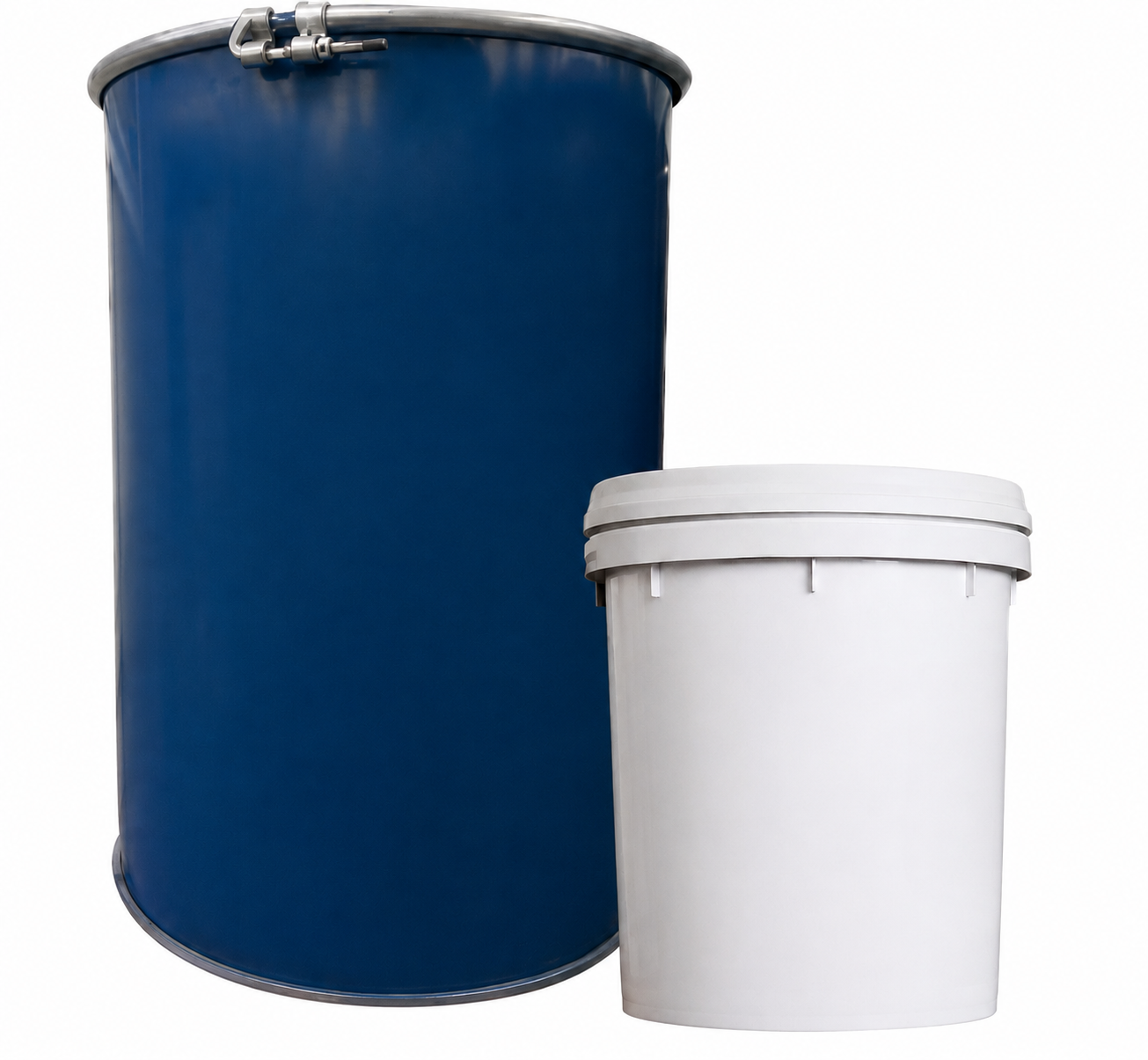
In a condensation-prone facade, the sealant system is the moisture barrier. The primary seal limits vapor movement into the cavity; the secondary seal provides structural and environmental durability. The two layers should be selected as a system. Soleron's sealant range covers butyl sealant, hot melt sealant and two-component silicone sealant, with black and white colors and 28 kg, 30 kg and 330 kg packaging formats. The stated performance includes sealing against air and moisture, adhesion to glass and aluminium, durability, weather resistance and easy processing. Those claims describe the material's intended function; the project still needs a qualification check for the exact primary and secondary combination.
Do not choose a sealant by color or by the word butyl alone. Butyl sealant, hot melt butyl sealant and two-component silicone sealant are different production formats and different seal roles. For a dual-seal unit, verified technical references describe polyisobutylene as the primary seal and silicone as the secondary seal, especially where structural silicone glazing durability is required. The practical check is to ask the supplier which product is intended for the primary layer and which for the secondary layer, then confirm adhesion, compatibility and cure or processing conditions for the actual glass and spacer.
| Supplied sealant format | Role to confirm | Buyer check |
|---|---|---|
| Butyl sealant | Primary-seal candidate; confirm the exact product and line conditions. | Adhesion to glass and aluminium; compatibility with the secondary seal; packaging and batch consistency. |
| Hot melt sealant | Primary-seal candidate where the line and spacer system are designed for hot-melt processing. | Processing temperature, open time, adhesion and compatibility with the desiccant and spacer. |
| Two-component silicone sealant | Secondary-seal candidate in dual-seal systems; confirm structural or weather-seal requirements. | Compatibility with the primary seal, cure conditions, adhesion and project specification. |
Accessory Choices That Support Production Fit
Accessories are often treated as consumables, but in a condensation-prone project they affect the quality of the seal. Butyl tape can support the primary seal where the spacer system is designed for it. Cork pads protect glass surfaces during handling and reduce the risk of edge damage before assembly. Trimming cotton supports cleaning and trimming work. The supplied accessory range includes butyl tape, cork pads and trimming cotton in carton packaging, with a 10-year guarantee and custom sizes available.
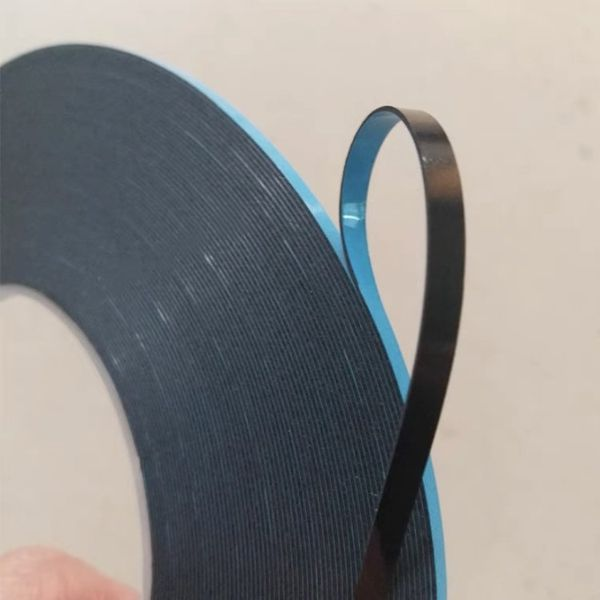
Use these items as part of the production method, not as a substitute for material quality. A cork pad that sheds or a butyl tape that is stored or applied incorrectly can create a local defect that later looks like a desiccant or warm-edge problem. Keep accessory storage clean and dry, and confirm that the tape width and pad size suit the spacer and glass handling system.
Matching Spacer and Connector Dimensions to the Line
The most common configuration error is a dimensional mismatch that only appears at assembly. Aluminium spacer bars are supplied in 5.5–50 mm sizes, 0.16–0.35 mm thickness and 5 m or customized lengths, with 6A–24A air gaps and custom specifications. Warm-edge spacers are supplied in 6–27A sizes and 5 m or customized lengths. Corner connectors are supplied in 5.5–50 mm sizes in plastic or steel formats. These ranges must be read together: the spacer, connector and air gap form one dimensional system.
The production line must also match the material. The application data lists spacer bar bending machines, molecular sieve filling machines, butyl extruders and insulating glass production lines as matched equipment. The working condition is clean, dry, controlled temperature and controlled humidity. High dimensional accuracy, good bending performance, a clean and smooth surface, good sealant compatibility, moisture resistance and low thermal conductivity are the stated special requirements. A warm-edge profile that is difficult to bend on the existing line, or a desiccant that does not flow through the filling machine, will create more risk than the material choice removes.
Use Cases: Where This Configuration Logic Applies
Cold-climate residential windows. The edge of the glass is the coldest visible part of the window. A warm-edge spacer is the logical edge material when the project target is reduced glass-edge condensation, provided the window system and cavity depth are compatible. The 3A molecular sieve and sealant system must still be specified for the cavity and line.
High-humidity hotel and office facades. Interior moisture loads and large glazed areas can make edge condensation more visible. In these projects, the configuration should combine edge thermal performance with a robust primary and secondary seal, and with a desiccant grade that the processor can fill consistently. The facade's indoor environment and the unit's orientation matter; the material list alone does not guarantee a clear edge.
Curtain walls and commercial buildings. Large units and structural or semi-structural glazing details put more demand on sealant compatibility. Where the design calls for a dual-seal system, confirm the primary and secondary seal chemistry before releasing the IGU. A warm-edge spacer can be part of the design, but the sealant qualification and the project's structural requirements control the edge detail.
Renovation and replacement glazing. Replacement units often have to fit existing frames and sightlines. The aluminium spacer range of 5.5–50 mm and the warm-edge range of 6–27A allow the processor to match the cavity, but the accessory and sealant choices must suit the original frame and the new unit's performance target. Do not assume that a failed unit's material set can be copied without checking the cause of the original fogging.
Comparison: Warm Edge and Aluminium in Condensation-Prone Projects
Warm-edge and aluminium spacers are not interchangeable without a design check. The comparison below uses only the supported characteristics and keeps the application conditions visible.
| Decision point | Warm Edge Spacer Bar | Aluminium Spacer Bar | What it means for the facade |
|---|---|---|---|
| Edge thermal role | Low thermal conductivity; designed to reduce glass-edge condensation and improve IGU energy performance. | Mechanical strength, dimensional stability and compatibility with conventional lines. | Choose warm edge when edge temperature and condensation are the drivers. Choose aluminium when the line and design are built around its mechanical and processing profile. |
| Available format | Fiberglass, composite plastic plus stainless steel, PP, flexible and butyl sealing spacer formats; 6–27A; 5 m or customized. | Standard, bendable, black, embossed and butyled formats; 5.5–50 mm; 0.16–0.35 mm thickness; 3003 or 1100 alloy. | Match the format to the bending, filling and sealant process. A format that is difficult to process can create seal defects. |
| Desiccant and seal interaction | Desiccant fills the spacer channel; sealant must bond to the spacer and glass. | Desiccant fills the spacer channel; sealant must bond to aluminium and glass. | Confirm the 3A sieve grade, sealant chemistry and accessory fit as one system. |
| Quality guarantee | 5-year quality guarantee in the supplied data. | 5-year quality guarantee in the supplied data; sealant and accessories carry a 10-year guarantee in their own data. | Guarantee periods are material-specific; they do not replace project testing or installation quality. |
Quality Checks Before Ordering or Releasing Production
Use a short release checklist for every condensation-prone project. Confirm the facade failure mode and the intended edge performance. Confirm the spacer width and air gap: 6A–24A for the aluminium range, 6–27A for the warm-edge range. Confirm that the 3A sieve grade, 0.5–0.9 mm, 1.0–1.5 mm or 1.5–2.0 mm, is recorded separately from the spacer width. Confirm the sealant format and whether it is qualified as the primary or secondary layer. Confirm that butyl tape, cork pads and trimming cotton are compatible with the line. Confirm packaging, batch records and guarantee periods. Finally, confirm that the production environment is clean, dry and controlled for temperature and humidity.
FAQ
What causes fogging inside an IGU when the spacer is already a warm-edge type?
A warm-edge spacer reduces heat transfer at the edge; it does not remove moisture from the cavity. Fogging inside the unit points to residual moisture, an inadequate desiccant charge, or moisture ingress through the edge seal. Check the 3A molecular sieve grade and fill weight, the sealant system and the production records together. A warm-edge profile can be correct and the unit can still fog if the cavity was not properly dried or sealed.
How should I select 3A molecular sieve for a 6A–24A spacer?
Treat the 0.5–0.9 mm, 1.0–1.5 mm and 1.5–2.0 mm figures as molecular sieve size ranges, then confirm which grade fills the spacer channel cleanly on the filling machine. Record the spacer air gap, sieve grade and fill weight as separate specifications. The correct grade is the one that suits the spacer, the desiccant filling equipment and the sealant path; it is not chosen by reading the air-gap number as a sieve size.
Which sealant format is suitable for a condensation-prone facade?
The sealant must be selected as a primary and secondary system. The supplied range includes butyl sealant, hot melt sealant and two-component silicone sealant. For dual-seal designs, confirm which product is qualified for the primary layer and which for the secondary layer; technical references describe polyisobutylene as a primary seal and silicone as a secondary seal in structural glazing contexts. Do not exchange formats without adhesion and compatibility checks.
Aluminum spacer bar manufacturers for double-glazing window projects
Compare manufacturers on the facts that affect the unit: spacer size range, 6A–24A air gaps, thickness, aluminium alloy, bendable or standard format, connector fit, batch consistency and delivery. Soleron Insulating Glass Materials supplies aluminium spacer bars in 5.5–50 mm sizes with 0.16–0.35 mm thickness and 3003 or 1100 aluminium coil, alongside warm-edge spacers, 3A molecular sieve, sealants and accessories. For a condensation-prone facade, ask the manufacturer to confirm how its spacer fits the intended sealant and desiccant system, not only the nominal size. The Soleron product catalog is available here: Soleron product catalog.

Conclusion
Configuring insulating glass materials for a condensation-prone facade is a system decision. The warm-edge spacer controls the edge thermal path. The 3A molecular sieve controls residual moisture in the cavity. The sealant system controls moisture ingress. The accessories and dimensional fit determine whether the production line can build the unit without creating a new defect. When the project brief links desiccant grade to spacer width, keep the numbers in their correct roles: 0.5–0.9 mm, 1.0–1.5 mm and 1.5–2.0 mm are 3A sieve grades; 6A–24A and 6–27A are spacer and air-gap ranges.
For a project review, prepare the facade exposure, spacer width, air gap, intended sealant format and preferred desiccant grade. That information lets a supplier check the material set against the line and the project instead of quoting a single component in isolation. The Soleron catalog link above provides the product range for that discussion.
Have Questions or Need More Details?
Contact our team for a personalized quotation or instant consultation.
Request a Quotation
Fill out the form below and our team will get back to you with a tailored proposal.
WhatsApp Direct Chat
Prefer to chat in real-time? Message us on WhatsApp for instant assistance & quick answers.
- Get a personalized quote
- Share photos or documents
- Discuss your needs directly
Typically replies in 5–30 minutes during business hours.