
Top Insulating Glass Materials for High-Volume IGU Lines: A Ranked Shortlist
Short answer: Five material families decide whether a high-volume insulating glass line produces units that hold up under moisture-penetration testing. In order of their role in the line, they are: aluminium spacer bars (5.5–50 mm, 6A–24A air gaps), which set the cavity; warm edge spacer bars (6–27A, fiberglass / stainless steel / PP), which control heat transfer at the glass edge; 3A molecular sieve (0.5–0.9 mm, 1.0–1.5 mm, 1.5–2.0 mm grades), which keeps the sealed cavity dry; sealants (butyl, hot melt, two-component silicone), which close the unit; and the SOL-2 insulating glass processing machine, which applies all four consistently at production speed.
This shortlist is written for buyers who are past the discovery stage and are now comparing specifications, suppliers and sample programs. Each entry states what the material is, the documented types and size ranges available, the function it performs inside the unit, and the verification points that matter before it is released onto a running line. The ranking reflects position in the production sequence, how many downstream steps depend on the item, and how much buyer verification it demands.

Why High-Volume IGU Lines Come Down to Five Material Decisions
An insulating glass unit consists of two or more glass panes separated by a spacer and edge-sealed to form an insulating air or gas-filled cavity. Every element of that construction has to hold for the full service life of the unit. In low-volume or bespoke production, a non-conforming spacer or a compromised desiccant batch is a single-unit problem. On a high-volume line, the same defect is multiplied across every unit produced before the issue is detected and corrected.
Three failure patterns dominate high-volume IGU production:
- Geometry drift. The spacer bar's main function is to hold the glass panes at a fixed distance from each other and thereby establish the size of the interpane space. If wall thickness, straightness or corner fitting varies between batches, cavity width varies with it, and sealant thickness changes at the same time.
- Moisture ingress and internal condensation. Desiccants adsorb residual water and solvent vapour inside the sealed space. A desiccant that is the wrong particle grade for the spacer channel, or that has been exposed before filling, leaves residual moisture in a cavity that cannot be opened again.
- Edge thermal bridging. Heat transfer at the glass edge drives condensation on the coldest part of the unit. This is a material property of the spacer system, not something that can be corrected later by sealant or gas filling.
Standards turn these risks into measurable pass-or-fail conditions. EN 1279-2 sets a moisture penetration index for insulating glass units: an average Iav of 0.20 or lower across five aged specimens, with no individual specimen above 0.25. The same standard permits desiccant moisture content to be determined by four methods — drying at 540 °C, Karl Fischer titration, gravimetric methods and dew-point methods for units without desiccant. AS/NZS 4666:2012 sets out requirements and guidelines covering long-term type testing, periodic manufacturing testing, traceability, desiccant suitability, shelf life and desiccant exposure limits. ASTM C1249-18 states that for structural silicone glazing systems, only units using a dual seal — polyisobutylene as the primary seal and silicone as the secondary seal — are described as having the required durability for the application.
A high-volume line therefore depends on materials whose documented specifications can be checked against those requirements before the first carton is opened.
Industry Background: Demand, Standards and Trade Context
The demand context for these materials is the insulated glass market they feed. The global insulated glass market was valued at USD 92.7 billion in 2024 and is projected to reach USD 121.7 billion by 2030, with an intermediate projection of USD 101.3 billion for 2026, according to Grand View Research. Warm edge spacers — the component most directly tied to edge thermal performance — were valued at USD 1.1 billion in 2024 and are projected to reach approximately USD 1.90 billion by 2035, according to Meticulous Research. Within desiccants, the 3A molecular sieve grade alone was valued at USD 1.80 billion in 2024, according to Mordor Intelligence.
Classification and customs treat these components differently, which matters when buyers compare cross-border supply. Glass and glass product manufacturing sits under NAICS 2022 code 32721. Aluminium spacer bars are classified for trade purposes under HS 7604.21 for hollow profiles, with 7604.29 covering other aluminium profiles.
Technically, the spacer bar's job is narrow and non-negotiable: as described by Lawrence Berkeley National Laboratory, it holds the glass panes at a fixed distance from one another and thereby establishes the interpane space. Desiccants used in the same cavity are commonly molecular sieves, or blends of silica gel with molecular sieves; their purpose is to adsorb residual water and solvent vapour in the sealed space, per ASTM C1249-18.
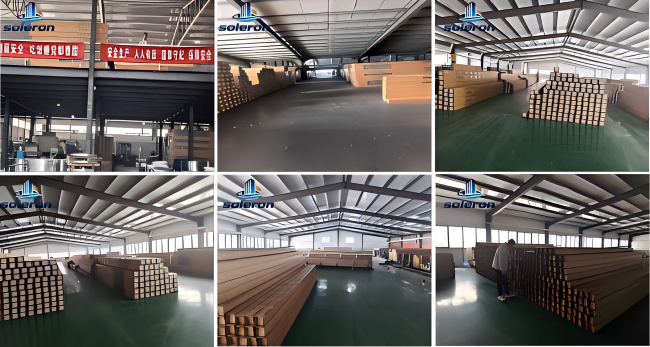
Soleron Insulating Glass Materials is the insulating glass component line of Soleron Building Materials (Hebei) Co., Ltd., a manufacturer based in Renqiu, Hebei Province, China, supplying aluminium spacer bars, warm edge spacers, sealants, 3A molecular sieve desiccant, corner connectors, Georgian bars and IGU processing equipment. Company-reported production infrastructure covers 10 automatic aluminium spacer bar production lines and 10 warm edge spacer production lines, and the company states that more than 100 pieces of regular aluminium spacer bars and warm edge spacers are held in stock to shorten delivery for urgent orders.
The Ranked Shortlist: Five Insulating Glass Materials Ordered for High-Volume Lines
Rank 1 is not the most expensive or the most technical item on the list. It is the item that everything else is built on top of.
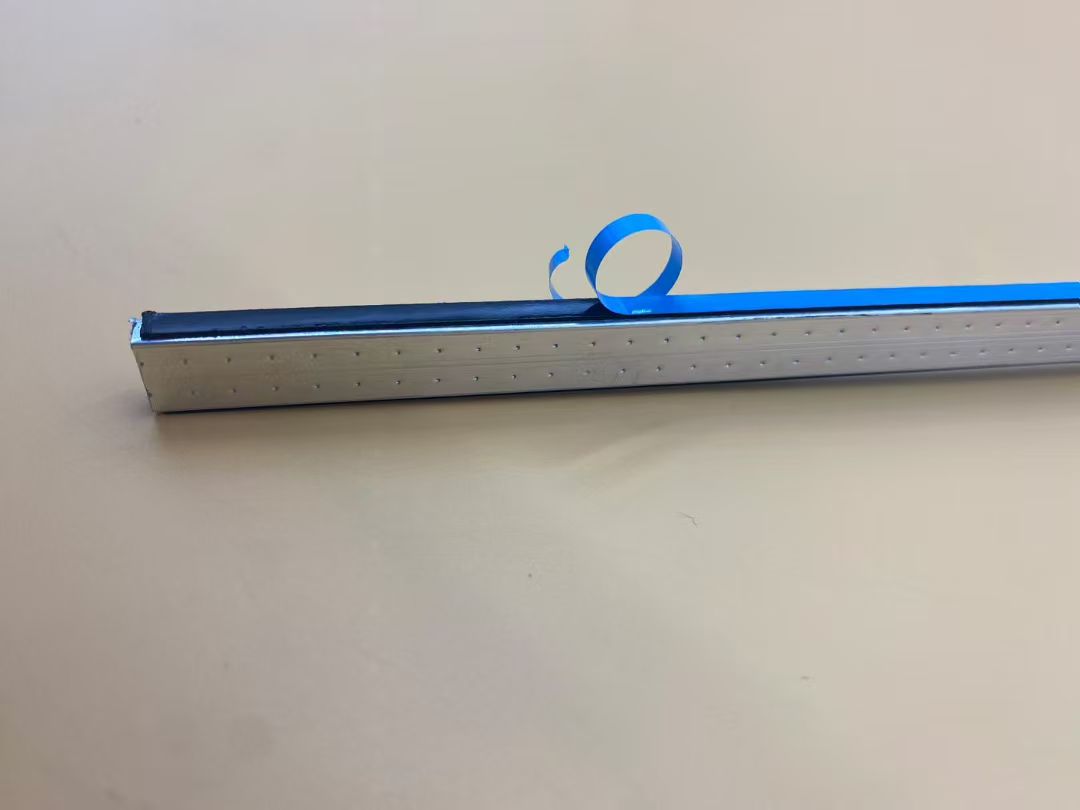
RANK 1 Aluminium Spacer Bar — the Cavity Backbone (5.5–50 mm, 6A–24A)
The aluminium spacer bar is the rigid frame that sets cavity width, forms the channel that carries desiccant, and gives the primary sealant a surface to bond to. Because the interpane space is defined by this component, every other material in the unit is dimensionally tied to it — which is why it ranks first regardless of project type.
Documented product types in the Soleron aluminium spacer bar range include standard aluminium spacer bars, bendable aluminium spacer bars, black aluminium spacer bars, embossed aluminium spacers and butyl-applied aluminium spacer bars. Documented specifications list a size range of 5.5–50 mm, wall thickness from 0.16 mm to 0.35 mm, standard length of 5 m or customized lengths, air gaps from 6A to 24A plus custom specifications, base material of aluminium coil in the 3003 and 1100 series, and a five-year documented quality guarantee.
Documented processing characteristics include high-frequency welded joints, dimensional accuracy, ease of bending and cutting for both manual and automatic processing, surface quality suited to visible applications, and batch-to-batch consistency. These matter because a single bar may pass through a bending machine, be filled with desiccant, be coated with butyl and be assembled into a frame with corner connectors within one production run.
Verification points: confirm the air gap actually specified for the project (6A–24A or custom); confirm wall thickness against the bending radius your machine will run; confirm that corner connectors sized 5.5–50 mm match the bar profile; and confirm that the delivery format — straight lengths or coiled — matches your feeding method.
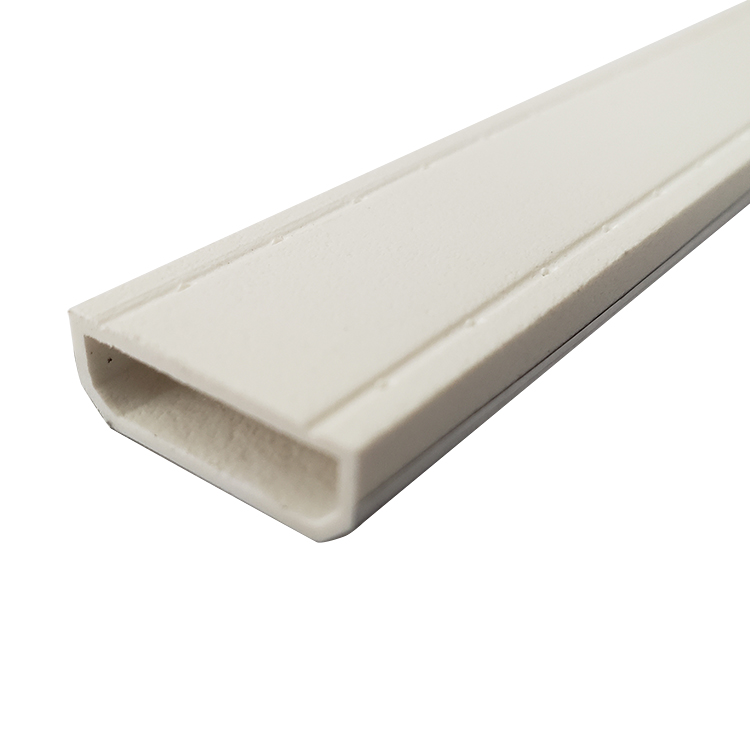
RANK 2 Warm Edge Spacer Bar — the Edge Thermal Decision (6–27A)
Where the aluminium spacer sets geometry, the warm edge spacer sets edge thermal performance. Warm edge spacers reduce heat transfer at the glass edge, which keeps the edge of the glass warmer, reduces condensation risk and improves the overall energy performance of the unit.
Documented warm edge types include fiberglass warm edge spacer bars, composite warm edge spacers combining plastic with stainless steel, PP warm edge spacers, flexible warm edge spacers and butyl sealing spacers. Documented specifications list a size range of 6–27A, standard length of 5 m or customized, base materials of fiberglass, stainless steel and PP, and a five-year documented quality guarantee.
Published thermal-conductivity comparisons place aluminium spacers in the range of 160–200 W/mK and warm edge spacers in the range of 0.13–0.25 W/mK. That material difference is the reason warm edge systems are specified where condensation resistance and glazing energy performance drive the specification, and the commercial trend runs in the same direction: warm edge spacer market value is projected to move from USD 1.1 billion in 2024 toward approximately USD 1.90 billion by 2035.
Verification points: confirm the spacer family (fiberglass, composite, PP or flexible) against the required edge performance and the project glazing specification; confirm the 6–27A range covers your cavity; and confirm that the format can be processed on your existing bending and automated production equipment.
RANK 3 3A Molecular Sieve — the Desiccant That Decides Dew Point
Ranked third because it is invisible in the finished product but decisive in testing. Desiccants adsorb residual water and solvent vapour inside the sealed cavity. If the desiccant grade is wrong for the spacer channel, if the packaging has been compromised, or if the material is exposed too long before sealing, the unit can fail moisture-penetration testing even when the spacer and sealant specifications are correct.
The documented 3A molecular sieve range covers three particle grades — 0.5–0.9 mm, 1.0–1.5 mm and 1.5–2.0 mm — in brown colour, based on synthetic zeolite, packed under vacuum and then in carton boxes at 25 kg net weight, with a five-year documented guarantee. Documented functions include moisture absorption, prevention of internal fogging and condensation, high adsorption capacity under varying conditions, and support for long-term insulating performance.
Compliance context here is specific rather than general. EN 1279-2 permits desiccant moisture content to be determined by drying at 540 °C, Karl Fischer titration, gravimetric methods, or dew-point methods for units without desiccant. AS/NZS 4666:2012 addresses desiccant suitability, shelf life and desiccant exposure limits as part of its requirements and guidelines for insulating glass units. The scale of the category also argues against treating it as a commodity: the 3A molecular sieve grade alone represented a USD 1.80 billion segment in 2024.
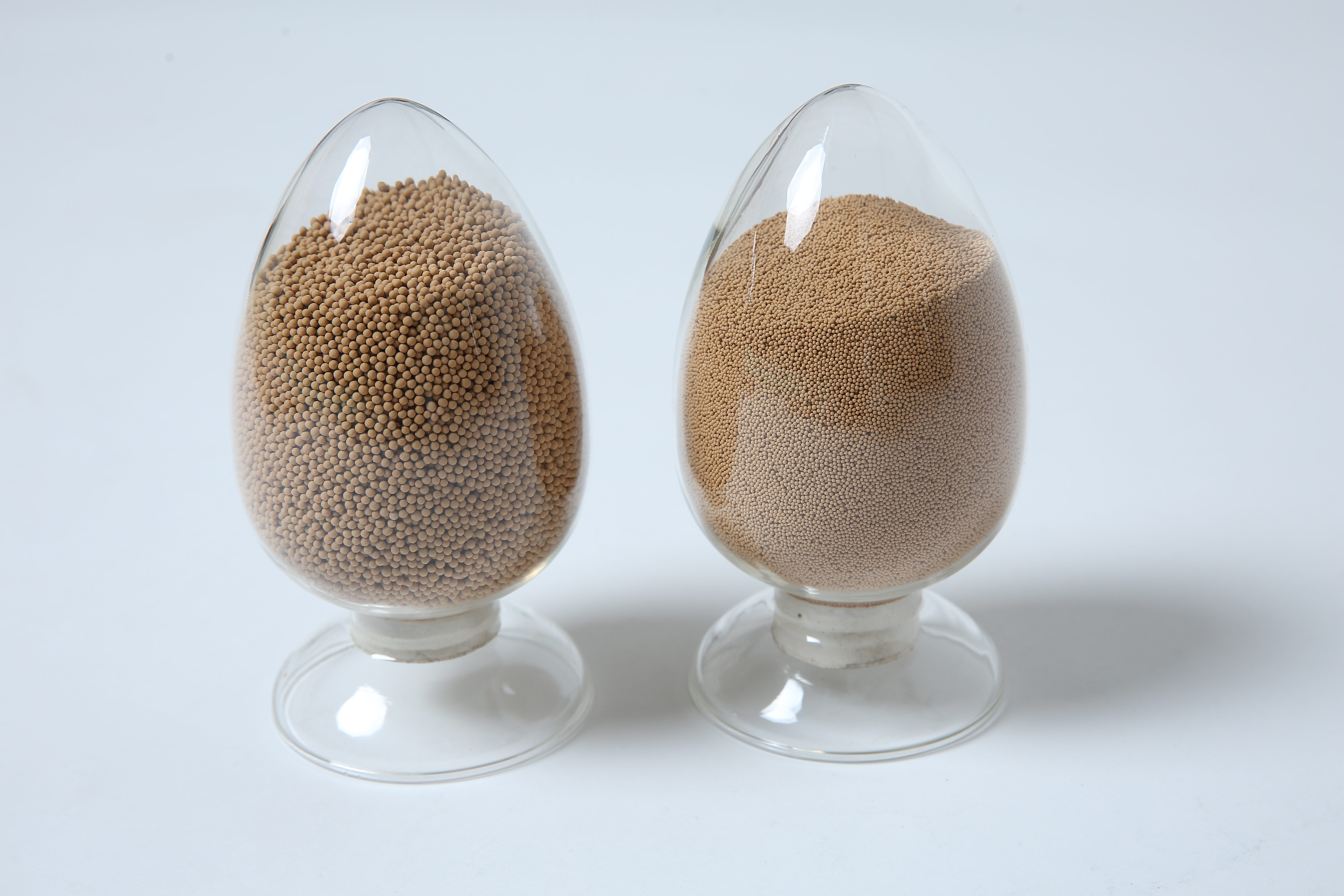
Verification points: match particle size to the spacer channel, since a 1.5–2.0 mm grade does not flow through the same filling setup as a 0.5–0.9 mm grade; confirm vacuum packaging integrity on arrival; confirm the molecular sieve filling machine in the line is set for the grade ordered; and confirm storage and exposure control on the shop floor.
RANK 4 Sealants — Butyl, Hot Melt and Two-Component Silicone
Sealants are where the unit is actually closed. They rank fourth because they cannot compensate for a spacer that does not fit or a desiccant that has already absorbed moisture. When the first three items are right, however, the sealant system determines whether the cavity stays dry and gas-filled for its service life.
The documented sealant range covers butyl sealant, hot melt sealant and two-component silicone sealant under models SOL-803 and SOL-717, supplied in black and white, based on butyl rubber, silicone polymer and EVA, packed in carton boxes, plastic drums and iron buckets at weights including 28 kg, 30 kg and 330 kg, with a documented ten-year quality guarantee. Documented characteristics include sealing against air and moisture, adhesion to glass and aluminium, batch-to-batch stability, weather resistance, and suitability for both manual and automated production.
Dual-seal architecture is the reference point for the whole category. ASTM C1249-18 describes polyisobutylene as the primary seal and silicone as the secondary seal for units used in structural silicone glazing, and Cardinal Corp technical literature describes the same PIB-primary, silicone-secondary structure as the basis of insulating glass durability. On the supply side, HB Fuller publicly states that all of its PIBs fulfil the requirements of EN 1279 and ASTM E2190 and that its standard secondary sealants comply with the same standards — a company-reported compliance claim, which is why buyers should request the supporting test documentation for the specific grade rather than treating the statement alone as qualification.
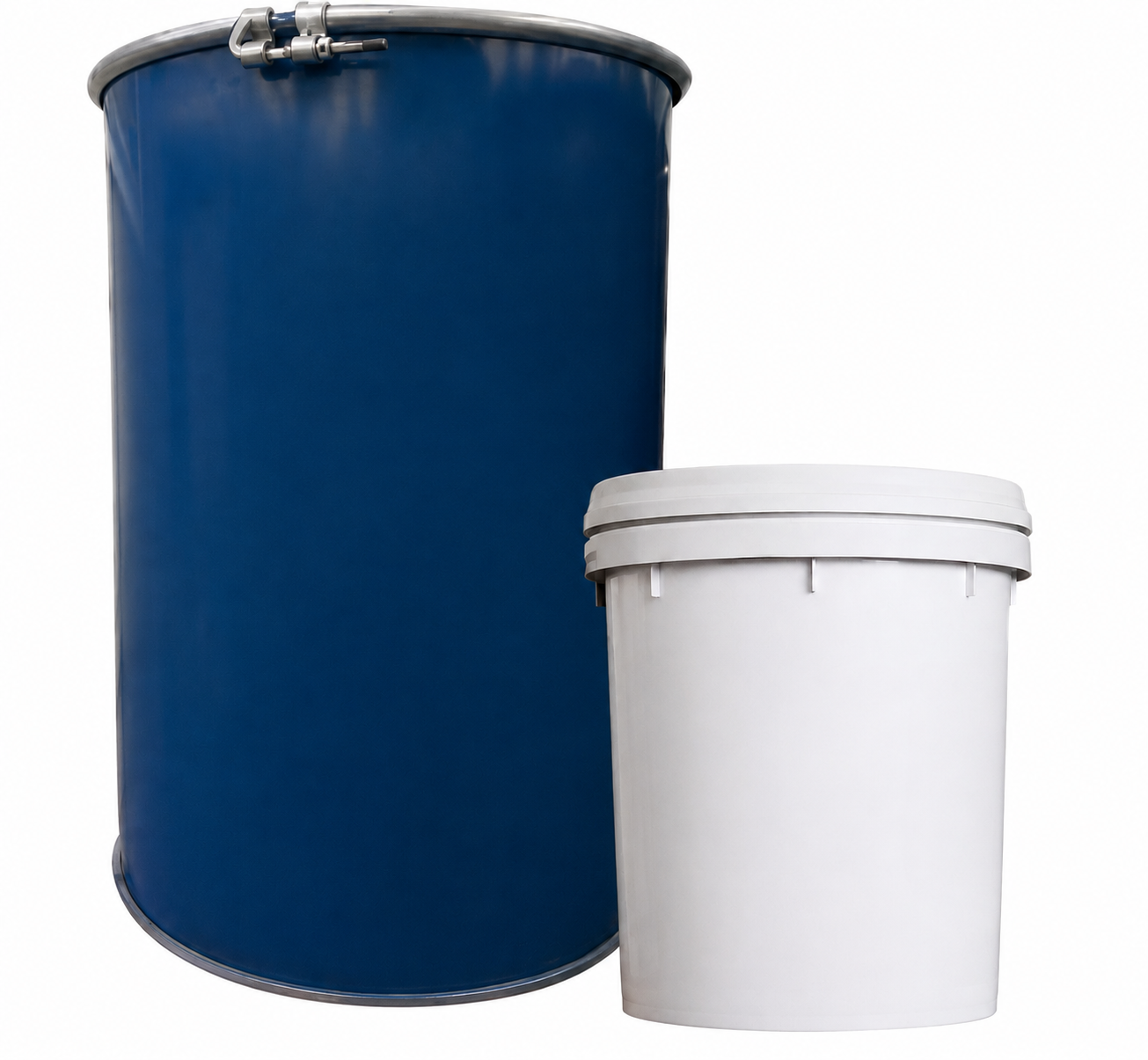
Verification points: confirm primary and secondary chemistry against the glazing application, since structural silicone glazing requires the dual-seal configuration; confirm that the packaging format — carton box, plastic drum or iron bucket — matches your application equipment; confirm colour and batch consistency across deliveries; and request compliance documentation for the exact grade ordered.
RANK 5 SOL-2 Insulating Glass Processing Machine — the Platform That Applies Everything Else
Ranked fifth because it is capital equipment rather than a consumable, but on a high-volume line it is the difference between a specification that works on paper and one that works at line speed. The SOL-2 range is documented as covering an insulating glass production line, a glass washing machine, a two-component sealant machine, a butyl sealant extruder machine, an aluminium spacer bar bending machine and a molecular sieve filling machine. Power supply is documented at 220V–380V, 50Hz, with a power range of 3.2 kW to 38 kW and construction materials including carbon steel and stainless steel.
This belongs on a material shortlist because the four items above are only as consistent as the equipment that applies them. Requirements documented for this production scenario include high dimensional accuracy, bending performance, a clean and smooth surface, sealant compatibility, moisture resistance, low thermal conductivity and durability — and the supporting equipment named for that scenario is the spacer bar bending machine, the molecular sieve filling machine, the butyl extruder and the insulating glass production line.
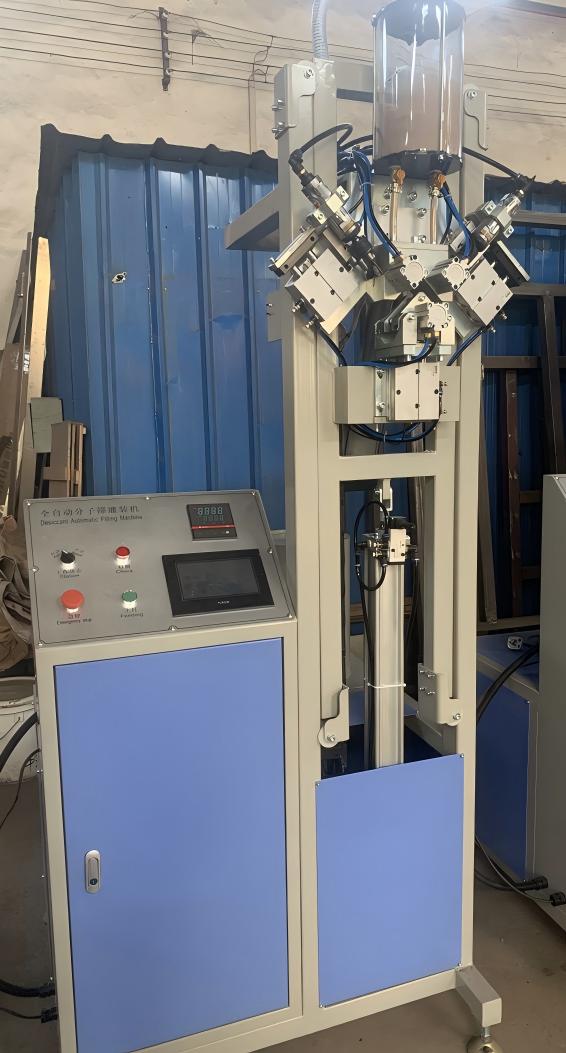
Verification points: confirm site power against the documented 220V–380V, 50Hz supply; confirm which machine types your process actually needs, since washing, bending, desiccant filling, butyl extrusion and final sealing are separate functions; and confirm that machine configuration can be tailored to your unit sizes and configurations.
Comparison Table: Documented Specifications Side by Side
| Rank | Material family | Documented types | Documented size / spec | Documented base material | Function in the line |
|---|---|---|---|---|---|
| 1 | Aluminium spacer bar | Standard, bendable, black, embossed, butyl-applied | 5.5–50 mm; thickness 0.16–0.35 mm; 6A–24A and custom; length 5 m or customized | Aluminium coil 3003 & 1100 series | Holds panes at fixed distance, defines cavity, carries desiccant, supports edge seal |
| 2 | Warm edge spacer bar | Fiberglass, composite (plastic + stainless steel), PP, flexible, butyl sealing spacer | 6–27A; length 5 m or customized | Fiberglass, stainless steel, PP | Reduces heat transfer at the glass edge and lowers condensation risk |
| 3 | 3A molecular sieve | Synthetic zeolite desiccant, brown, vacuum + carton packing | 0.5–0.9 mm / 1.0–1.5 mm / 1.5–2.0 mm; 25 kg net weight | Synthetic zeolite | Adsorbs residual moisture and solvent vapour in the sealed cavity |
| 4 | Sealants (SOL-803, SOL-717) | Butyl sealant, hot melt sealant, two-component silicone sealant | Black & white; 28 kg, 30 kg, 330 kg; carton box, plastic drum, iron bucket | Butyl rubber, silicone polymer, EVA | Primary and secondary sealing against air and moisture |
| 5 | SOL-2 insulating glass processing machine | IGU production line, glass washing machine, two-component sealant machine, butyl sealant extruder, spacer bar bending machine, molecular sieve filling machine | Power supply 220V–380V, 50Hz; power range 3.2 kW–38 kW | Carbon steel, stainless steel | Applies spacer, desiccant and sealant consistently at production speed |
Documented quality guarantees differ by family: five years for aluminium spacer bars, warm edge spacers, 3A molecular sieve and corner connectors; ten years for the sealant range and for accessory items such as butyl tape, cork pads and trimming cotton (SOL-1).
Step-by-Step: How to Verify This Shortlist Before Releasing It to Production
- Fix the cavity and air gap first. Decide the air gap from the glazing specification — 6A–24A for aluminium spacer bars, 6–27A for warm edge spacer bars, or a custom width. Cavity width determines spacer profile, desiccant volume and sealant thickness at the same time, so it must be settled before any material is quoted.
- Choose the spacer family against the thermal requirement. Aluminium and warm edge spacers carry different thermal-conductivity values (160–200 W/mK versus 0.13–0.25 W/mK), so the decision should follow the project's energy and condensation criteria rather than habit.
- Match desiccant grade to the spacer channel. Confirm that the 0.5–0.9 mm, 1.0–1.5 mm or 1.5–2.0 mm grade flows correctly through the filling machine and the bar channel ordered. A grade mismatch is a line stoppage, not a cosmetic issue.
- Specify the sealant system as a pair, not a single product. Confirm the primary seal and the secondary seal together, and confirm dual-seal structure where structural silicone glazing applies.
- Confirm machine compatibility before ordering consumables. Check that the bending machine, molecular sieve filling machine, butyl extruder and production line can process the spacer format and desiccant grade you have selected.
- Verify documentation and samples. Request the specification sheet, the guarantee terms for the family (5 years for spacer and desiccant families, 10 years for sealants and accessories), and a physical sample in the exact size ordered.
- Lock commercial terms. Confirm order quantity against the documented minimum of 5 cartons, confirm the documented lead time of 20–45 days, and confirm customization scope — logo, size and packaging are documented as available under OEM/ODM production. Quality control is documented as random inspection, with remote after-sales support.
Use Cases: Where This Shortlist Is Applied
The documented application scenario for these materials is an insulated glass facade project, produced under clean, dry, temperature-controlled and humidity-controlled conditions, and the scenario is listed as common in China. Documented operating modes for the material system are passive, adsorption, sealing and gas filling.
- Curtain wall and insulated glass facade projects — where edge performance and long-term moisture resistance drive the specification.
- Windows and doors for residential, commercial, hotel and office building applications.
- Industrial, public building, renovation and energy-efficient building projects, including applications where reduced condensation at the glass edge is a design requirement.
- Export-oriented glazing production. Soleron's products are documented as used by door and window manufacturers, insulating glass processors and construction engineering companies, with export markets including the EU, the Middle East and Southeast Asia.
A documented project reference illustrates the combination in practice: a supply of 500 tons of spacer bars used to maintain the spacing between glass panes, improve edge insulation, reduce condensation and enhance the overall energy efficiency of insulating glass units. The recorded outcome was improved thermal insulation, reduced condensation and enhanced air and moisture tightness, with a documented application duration of 20–30 years and end users including insulating glass manufacturers, windows and doors manufacturers and glass accessories distributors.
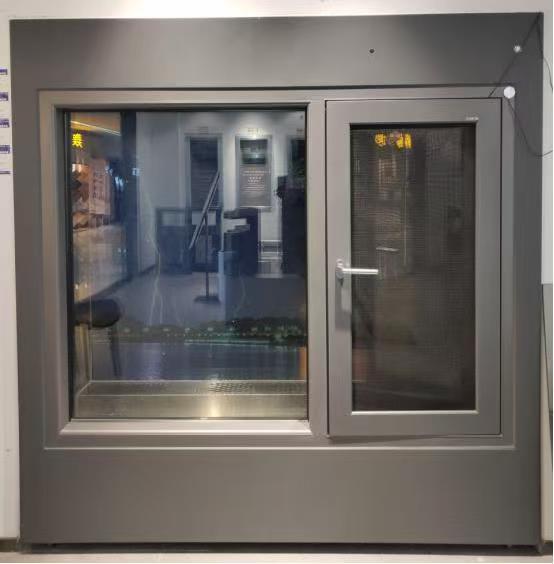
Insulated glass facade and window applications — the end use that determines which spacer system and desiccant grade are specified.
FAQ: Verifying Insulating Glass Materials for Double-Glazing Projects
Which standards should insulating glass materials be checked against before a project order is released?
Check the material system against the testing regime that applies to your market. EN 1279-2 sets a moisture penetration index: an average Iav of 0.20 or lower across five aged specimens, with no individual specimen above 0.25, and it permits desiccant moisture content to be determined by 540 °C drying, Karl Fischer titration, gravimetric methods or dew-point methods. AS/NZS 4666:2012 covers long-term type testing, periodic manufacturing testing, traceability, desiccant suitability, shelf life and desiccant exposure limits. ASTM C1249-18 states that for structural silicone glazing, only units with a dual seal — polyisobutylene primary, silicone secondary — are described as having the required durability. Where a supplier states compliance, such as HB Fuller's claim that its PIBs fulfil EN 1279 and ASTM E2190 and that its standard secondary sealants comply with the same standards, that claim is company-reported and should be supported by test documentation.
What manufacturing capability should an aluminium spacer bar supplier have for double-glazing window projects?
Look for documented production lines, stocked formats and a defined customization scope. Soleron Building Materials (Hebei) Co., Ltd. reports 10 automatic aluminium spacer bar production lines and 10 warm edge spacer production lines, and states that more than 100 pieces of regular aluminium spacer bars and warm edge spacers are held in stock to shorten delivery for urgent orders. The aluminium spacer bar range covers 5.5–50 mm with 0.16–0.35 mm wall thickness, 6A–24A air gaps and custom specifications, in standard, bendable, black, embossed and butyl-applied types. Production is documented as OEM/ODM with logo, size and packaging customization, quality control by random inspection, and remote after-sales support.
How do buyers compare cost when no public price list exists for spacers, sealants and desiccants?
Cost comparison in this category happens at quotation level against a fixed specification, because no public price list is published for these material families. To make quotes comparable, define the variables first: spacer width (aluminium 5.5–50 mm or warm edge 6–27A), wall thickness (0.16–0.35 mm for aluminium spacer bars), coil series (3003 or 1100), length (5 m or customized), desiccant grade (0.5–0.9 mm, 1.0–1.5 mm or 1.5–2.0 mm), sealant chemistry (butyl, hot melt or two-component silicone) and packaging format (carton box, plastic drum or iron bucket). The documented minimum order quantity is 5 cartons, and customization of logo, size and packaging is available, so trial quantities and volume orders can be quoted on the same specification basis.
What is the most reliable way to validate insulating glass materials before a full order?
Validate with a physical sample plus the documentation that applies to the exact grade. Request samples in the size, grade and chemistry you intend to run, and check the sample against the line: does the spacer bend and fit the corner connector sized 5.5–50 mm, does the desiccant grade flow through the filling machine, does the sealant apply cleanly in the packaging format you will use. Documented quality guarantees for the Soleron range are five years for aluminium spacer bars, warm edge spacers, 3A molecular sieve and corner connectors, and ten years for the sealant range and accessories such as butyl tape, cork pads and trimming cotton.
What lead time should a buyer plan for when ordering these materials?
The documented lead time for the Soleron range is 20–45 days, and part of that window can be compressed from stock: the company states that more than 100 pieces of regular aluminium spacer bars and warm edge spacers are held in stock to shorten delivery for urgent orders. Packaging formats also affect planning — molecular sieve is supplied vacuum-packed and then in 25 kg carton boxes, sealant is supplied in carton boxes, plastic drums or iron buckets at 28 kg, 30 kg and 330 kg, and spacer bars are supplied in 5 m standard or customized lengths.
Next Step: Sample, Quote or Catalog
If you are specifying materials for a high-volume IGU line, the fastest way to close the verification loop is to test the exact grade against your own equipment. Soleron Insulating Glass Materials supplies aluminium spacer bars, warm edge spacers, 3A molecular sieve, sealants and SOL-2 insulating glass processing machines, with OEM/ODM customization of logo, size and packaging.
- Download the full product catalog with specifications and packaging details: Soleron product catalog (PDF)
- Request a sample of the spacer size, desiccant grade or sealant chemistry you are evaluating.
- Ask for a quotation against your specification — minimum order quantity 5 cartons, lead time 20–45 days.
Soleron Building Materials (Hebei) Co., Ltd. — Beizhangcun Industrial Zone, Renqiu City, Hebei Province, China. Email: soleron.buildingmaterials@gmail.com · Tel / WhatsApp: +86 138-3340-3347 · Website: iguglassunit.com
Have Questions or Need More Details?
Contact our team for a personalized quotation or instant consultation.
Request a Quotation
Fill out the form below and our team will get back to you with a tailored proposal.
WhatsApp Direct Chat
Prefer to chat in real-time? Message us on WhatsApp for instant assistance & quick answers.
- Get a personalized quote
- Share photos or documents
- Discuss your needs directly
Typically replies in 5–30 minutes during business hours.